
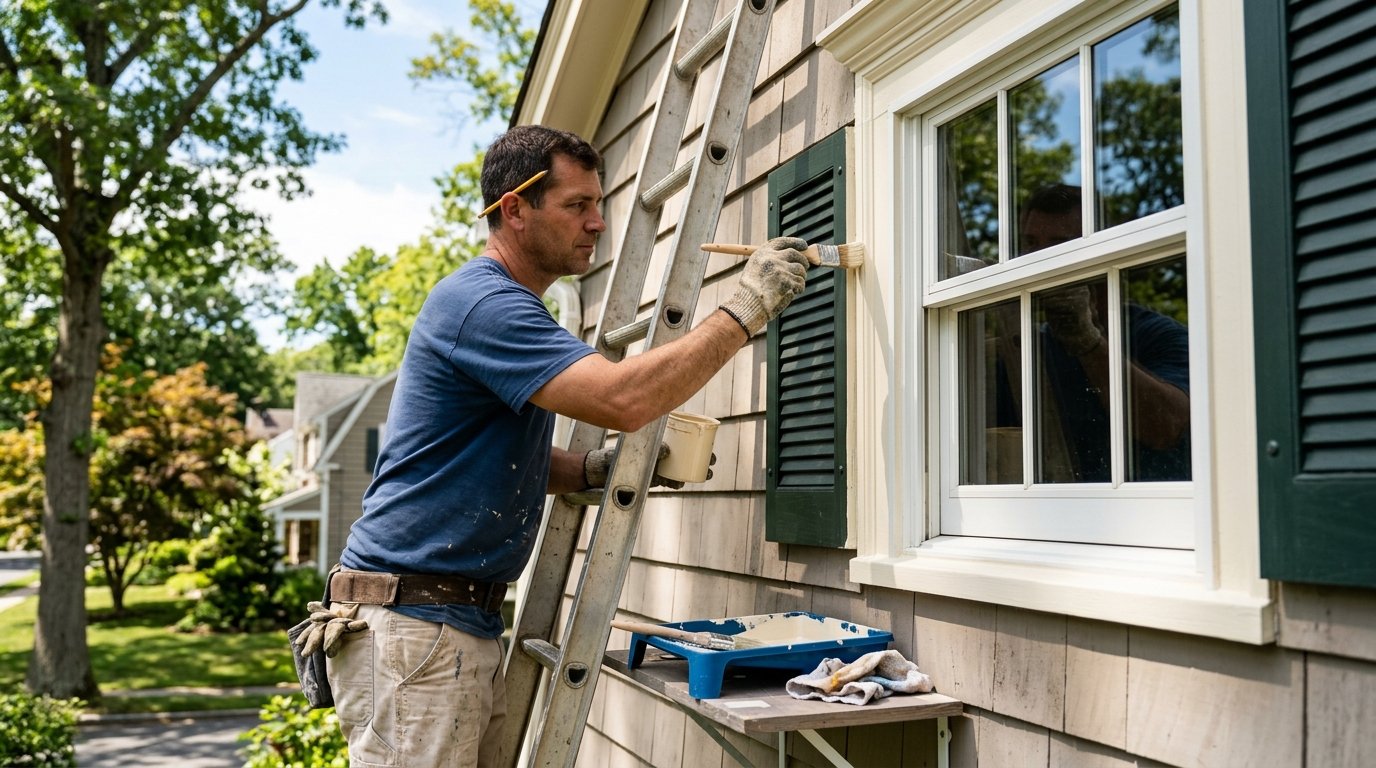
Residential exterior painting and commercial exterior painting may look similar from the street, but they’re planned, priced, and executed very differently. If you’re searching for exterior painting near Long Island, NY, knowing what changes between a home and a business exterior helps you set realistic expectations for prep, scheduling, and durability.
Below, we break down the most important differences so you can choose the right approach for your property in Nassau County or Suffolk County.
What Is The Difference Between Residential Exterior Painting And Commercial Exterior Painting?
Residential exterior painting focuses on homes and the details homeowners notice up close, like trim lines, shutters, entry doors, and curb appeal. Commercial exterior painting focuses on performance, safety, and scheduling for higher-traffic buildings, often using coatings designed for heavier wear while minimizing downtime for customers, tenants, or staff.
If you’re weighing project scope or timelines, it also helps to compare your goals with a dedicated exterior-focused resource like enhance your curb appeal with exterior painting, which outlines what typically drives results on the outside of a property.
Project Goals: Curb Appeal At Home vs Brand Image And Protection In Commercial Spaces
Homes are usually painted to boost curb appeal, match a neighborhood style, or refresh aging color. The “finish quality” tends to be judged from a few feet away, especially around trim, doors, and windows.
With commercial exterior painting, aesthetics still matter, but the goals often lean toward:
- Durability for high-touch and high-traffic areas
- Consistent appearance that supports brand standards
- Coatings that handle weather, UV exposure, and frequent cleaning
- Keeping the property looking maintained for tenants and customers
For many owners, the best results come from pairing paint with smart maintenance steps. If you’re planning a full refresh, our broader painting and home improvement services overview can help you map out what to tackle first.
Surface Types And Building Materials Often Change The Whole Game
Residential exteriors on Long Island commonly include wood siding, vinyl, stucco accents, and lots of trim work. Commercial buildings are more likely to involve masonry, metal, concrete, EIFS, roll-up doors, railings, and larger uninterrupted wall sections.
That material mix affects everything: how we prep, what primers we use, and which topcoats make sense. Prep and adhesion are a big deal either way, and if you want a deeper look at why, why proper surface preparation is the key to a perfect paint job is a helpful guide before you finalize a plan.
How Does Prep Work Differ For Homes Versus Commercial Buildings?
Prep determines how long the paint will last, and it’s where residential exterior painting and commercial exterior painting often diverge the most. Residential prep is usually more detail-heavy (trim, peeling edges, caulking), while commercial prep often includes larger-scale cleaning and repairs across big surfaces.
Typical residential prep steps include:
- Protecting landscaping, patios, and outdoor furniture
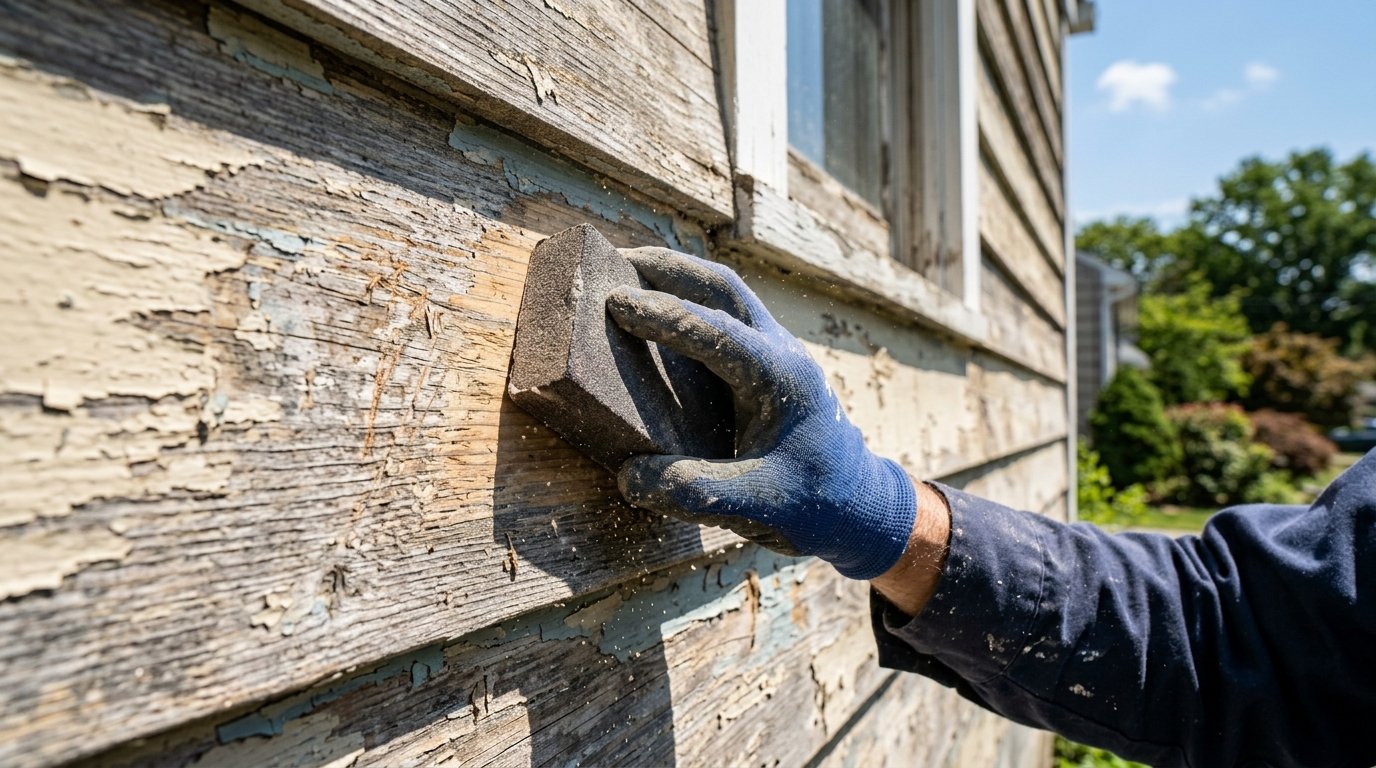
- Scraping peeling paint and sanding rough edges
- Spot priming bare wood and stained areas
- Caulking gaps around trim and penetrations
Typical commercial prep steps often include:
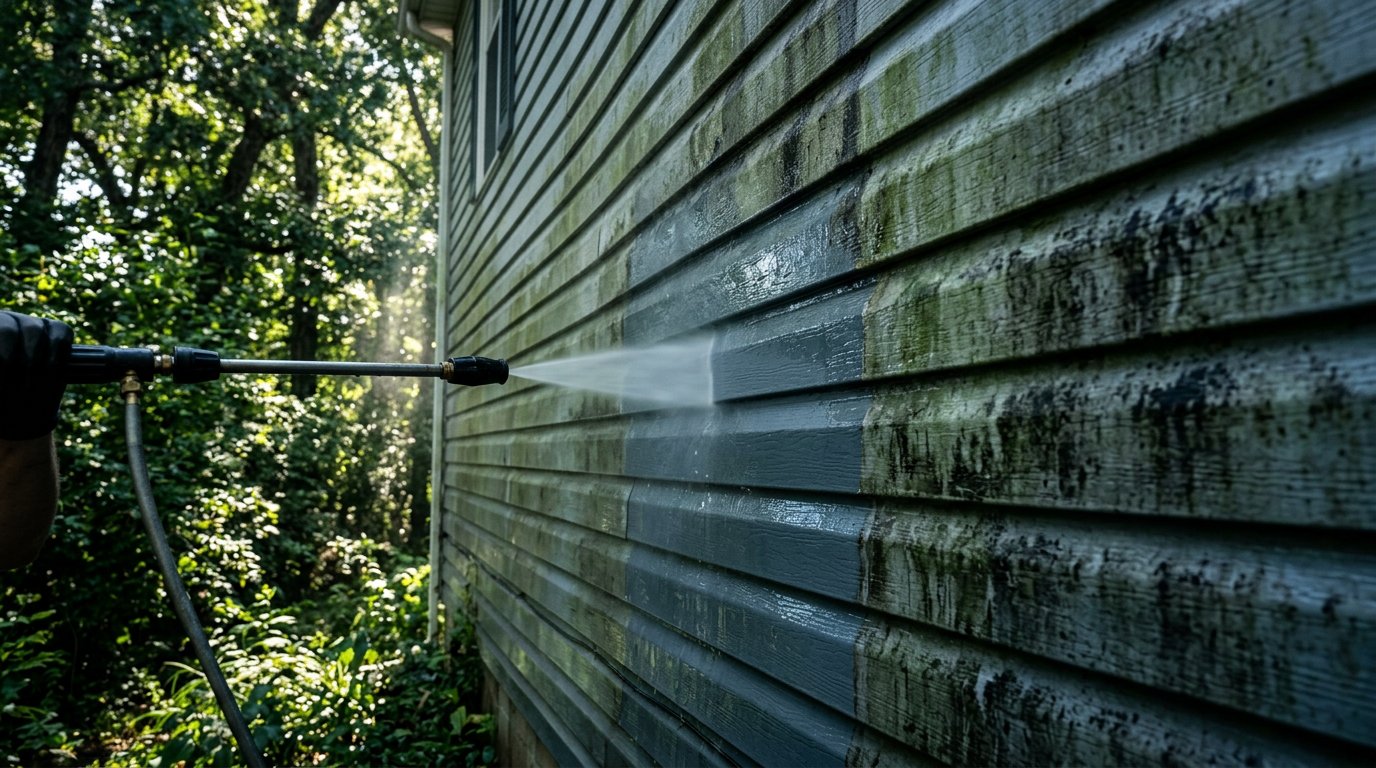
- More extensive washing to remove grime, chalking, and pollutants
- Addressing rust on metal, failing sealants, or damaged masonry joints
- Coordinating lift access and safety zones around entrances and walkways
- Priming systems designed for concrete, metal, or specialty substrates
When washing is needed, it’s not just about “making it look clean.” It’s about creating a surface the coating can bond to. For timing tips, why June is the perfect time to power wash your home explains seasonal considerations that matter in our region.
Access, Safety, And Logistics: A Bigger Factor In Commercial Exterior Painting
Most homes can be handled with ladders and standard equipment. Commercial sites may require lifts, scaffolding, traffic control around entrances, and stricter safety planning. Even when the painting itself is straightforward, logistics can drive the schedule.
Commercial properties also tend to have more “coordination points,” such as:
- Delivery zones and loading docks that can’t be blocked
- Tenant business hours and customer foot traffic
- Parking lot striping, signage, and security lighting to work around
- Noise and odor sensitivity for offices or medical spaces
Scheduling: Why Commercial Projects Often Run Nights, Weekends, Or Phases
Residential exterior painting is usually scheduled around the homeowner’s routine and weather windows. Commercial exterior painting often needs phased scheduling to keep operations running. That may mean tackling one elevation at a time, or working during off-hours to reduce disruption.
If you’re trying to pick a smart repaint window, it helps to know the warning signs early. how to know when it’s time to repaint your home’s exterior covers common indicators that apply to many Long Island properties, including sun-faded sides, peeling, and recurring mildew.
Coatings And Performance: Different Products For Different Wear
Paint selection isn’t just color. The right coating system depends on sun exposure, moisture, substrate, and how the building is used. Homes often use premium exterior acrylic systems designed for flexibility and color retention. Commercial buildings may require specialty coatings for masonry, metal, or high-wear areas.
Exterior paint performance is influenced by:
- UV exposure and salt air (a factor in many Long Island neighborhoods)
- Moisture management around gutters, downspouts, and rooflines
- Previous coating condition and compatibility
- How often surfaces are touched or cleaned (common on commercial entries)
If your goal is to stretch the life of the finish after the work is done, how to maintain a fresh exterior paint job year round shares practical maintenance habits that help reduce premature peeling and fading.
Cost Drivers: Why Estimates Vary More For Commercial Buildings
Both project types depend on surface condition and prep time, but commercial exterior painting can have additional cost drivers: equipment rental, site supervision, safety measures, and phased work that takes more total labor hours.
Common cost variables for both residential and commercial projects include:
- Total square footage and number of stories
- Amount of scraping, patching, and priming needed
- Number of colors and amount of cut-in detail
- Accessibility and obstacles (landscaping, rooflines, signage, HVAC units)
In many cases, “paint cost” is a smaller part of the quote than people expect. Labor and prep are usually the difference between a finish that lasts and one that fails early.
Quality Control: What “Done Right” Looks Like In Each Setting
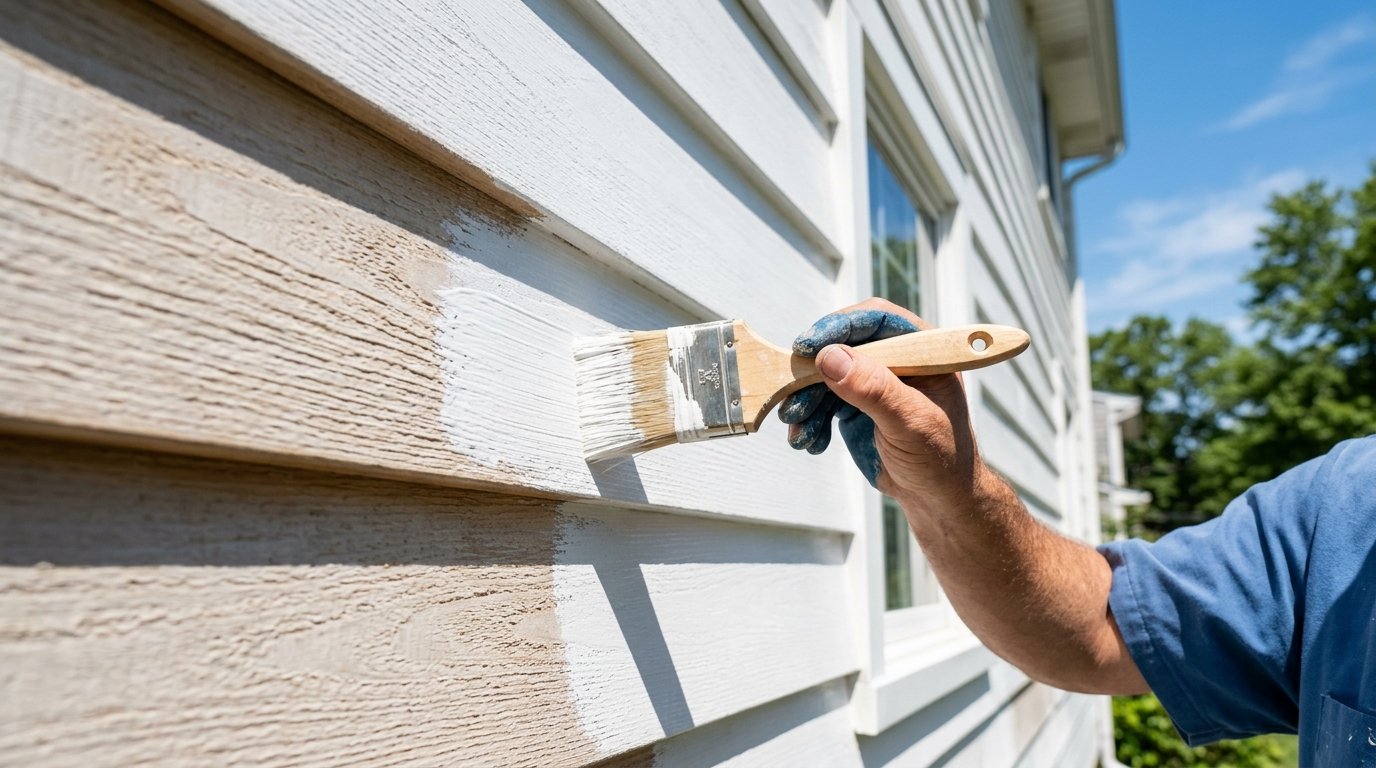
For residential exterior painting, quality control is often about crisp lines, uniform sheen, and neat finishing around windows, doors, and trim. For commercial exterior painting, it’s also about consistency across large elevations, proper film build (enough coating thickness), and ensuring the building can keep operating safely while work is underway.
Either way, the lasting results come back to prep and repairs. If a project involves wall damage before coatings go on, addressing the substrate first is essential. For related repair planning, sheetrock and drywall repair can be part of creating a stable, smooth surface where it’s needed.
Does Location Matter For Exterior Painting Serving Nassau County, NY And Suffolk County, NY?
Yes. Exterior painting serving Nassau County, NY and exterior painting serving Suffolk County, NY both have to account for coastal weather patterns, humidity swings, and freeze-thaw cycles. That combination can stress caulk lines, expose weak prep, and shorten the life of a bargain-grade coating.
If you’re actively comparing exterior painting near Long Island, NY options, it’s worth looking at contractors who understand local conditions and can plan the right prep and product system for your specific siding, trim, and exposure.
Next Steps: How We Recommend Planning The Right Exterior Painting Project
Start by clarifying whether your exterior is primarily a curb-appeal project (common in residential exterior painting) or a durability-and-operations project (common in commercial exterior painting). Then do a walkthrough to note peeling, staining, soft wood, hairline cracks, and any water issues that could keep coming back.
If you want a professional opinion and a clear plan, we’re here to help. Call Purely Paint at (516) 835-5880 or request pricing through our estimate page. You can also reach out directly via our contact page to schedule an onsite visit and talk through scope, timing, and finish options.
Common Questions About Residential And Commercial Exterior Painting On Long Island, NY
How long does residential exterior painting usually last on Long Island?
Most residential exterior painting lasts longer when the surface is properly prepped and the right coating is used for the substrate and sun exposure. Salt air, moisture, and strong summer sun can shorten lifespan, especially on south- and west-facing sides. Routine washing and quick touch-ups help preserve the finish.
Do commercial exterior painting projects require different equipment?
Often, yes. Commercial exterior painting can require lifts or scaffolding for height and safer access, plus extra protection for sidewalks, entrances, and parking areas. The equipment depends on building height, clearance, and how close work areas are to the public. Good planning reduces disruption and helps keep the site safe.
What’s the best season for exterior painting serving Nassau County, NY and Suffolk County, NY?
The best season is typically when temperatures are stable and humidity is manageable, because coatings cure more predictably. Late spring through early fall is common, but scheduling depends on rain patterns and the specific product requirements. Washing and prep can be timed ahead so painting days are used efficiently.
Is power washing always needed before exterior painting?
Not always, but it’s frequently recommended. Power washing removes dirt, mildew, and loose chalky residue that can prevent paint from bonding. Some surfaces need gentler cleaning methods to avoid damage, especially older wood or delicate trim. The goal is a clean, sound surface that supports long-term adhesion.
Can you match colors for a commercial building or storefront?
Yes. Commercial exterior painting often involves matching existing brand colors or coordinating with signage and trim. Accurate color matching depends on the current coating condition, sun fading, and sheen level. In many cases, testing small samples on the building helps confirm how the color reads in real daylight.

Leave A Comment