
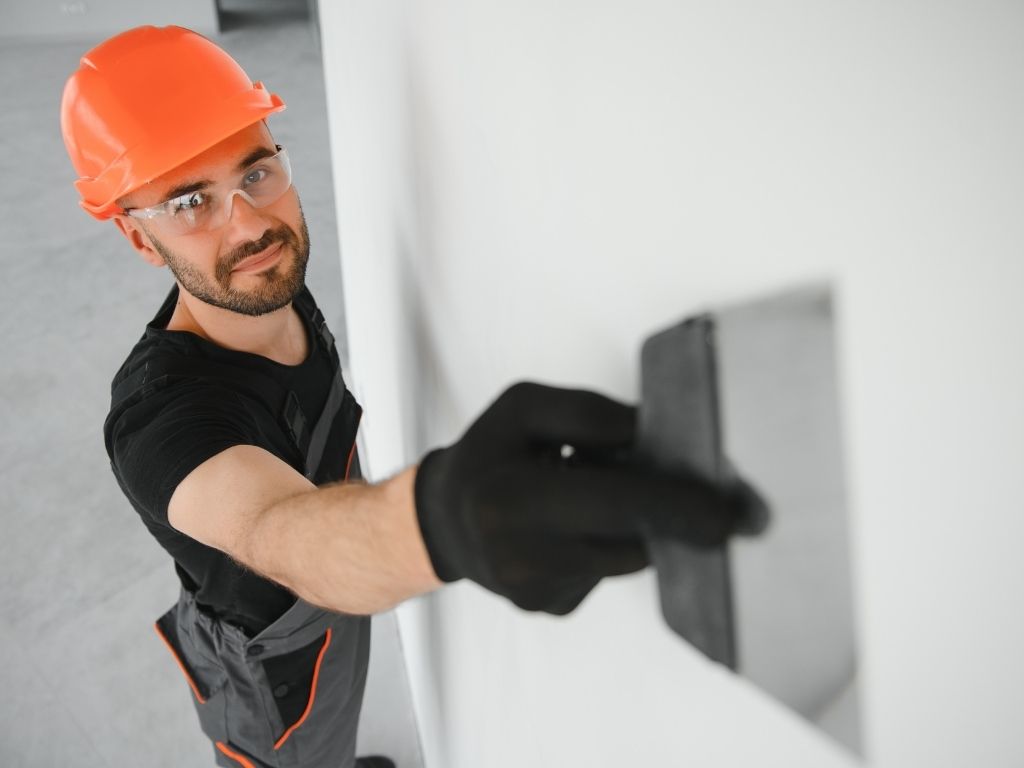
Drywall damage is one of the most common issues we see in both homes and commercial spaces, and it often starts small before becoming impossible to ignore. From subtle cracks to visible holes or water stains, damaged drywall affects not only how a space looks, but also how it functions and holds up over time. With more than four decades of hands-on experience, we’ve helped property owners understand what causes drywall problems, how to identify different types of damage, and when professional repairs make the most sense.
Understanding drywall damage early allows us to restore clean, smooth walls that are ready for paint, finishes, or decorative upgrades.
What Causes Drywall Damage?
Drywall is durable, but it isn’t indestructible. Knowing the most common causes helps us address issues correctly instead of masking them with temporary fixes.
Everyday Wear and Tear
In high-traffic areas, drywall naturally takes a beating. Furniture bumps, door handles, and general daily activity can leave dents, scuffs, and small cracks. Over time, these minor imperfections accumulate and become noticeable, especially in well-lit rooms.
Moisture and Water Exposure
Water is one of drywall’s biggest enemies. Plumbing leaks, roof issues, or excess humidity can lead to soft spots, bubbling paint, or discoloration. In cases like these, drywall repair in Suffolk County often involves more than patching—it requires correcting the underlying moisture issue first.
Structural Movement
Homes settle over time, and that movement often shows up as hairline cracks around doors, windows, and ceilings. While some settling cracks are cosmetic, others can widen or recur if not repaired properly.
Improper Installation or Past Repairs
Poor installation, thin joint compound, or rushed repairs can fail prematurely. When we inspect drywall damage, we often find that earlier fixes didn’t fully reinforce the area, leading to repeat issues.
What Are the Most Common Types of Drywall Damage?
Not all drywall damage is the same. Identifying the type helps determine the right repair approach.
Nail Pops and Small Cracks
Nail pops occur when fasteners push through the drywall surface, creating raised circles or cracks. These are common in ceilings and upper walls and typically require re-fastening and refinishing to prevent recurrence.
Dents, Holes, and Impact Damage
From doorknobs to moving furniture, impact damage can range from shallow dents to large holes. Smaller areas may be patched, while larger openings require new drywall sections and precise blending.
Water-Stained or Soft Drywall
Discoloration, sagging, or softness indicates moisture damage. Once drywall absorbs water, it often loses structural integrity, making replacement the safest option before refinishing.
Uneven or Textured Surfaces
Outdated textures, uneven seams, or visible joint lines can make walls look dated. In these cases, skim coating is often the best solution to create a smooth, modern surface ready for paint.
When Is It Time to Repair or Replace Drywall?
Knowing when to call in professionals can save time, money, and frustration.
Visible Damage That Keeps Returning
If cracks or holes reappear after repairs, the issue may be deeper than the surface. We assess framing, fastening, and environmental factors to ensure repairs last.
Preparing for Painting or Remodeling
Smooth walls are essential for high-quality finishes. Before interior painting in Nassau County projects, we often recommend repairing imperfections so paint goes on evenly and looks polished.
Moisture Damage or Mold Concerns
Any drywall that has been compromised by water should be evaluated quickly. Replacing affected sections helps protect indoor air quality and prevents further deterioration.
How We Approach Professional Drywall Repair
We believe drywall repair should be seamless—both visually and structurally. Every project starts with a thorough evaluation so we can choose the right method.
We handle everything from minor patching to full wall resurfacing, including skim coating to eliminate uneven textures or visible seams. Our team takes care to protect surrounding areas, maintain clean workspaces, and deliver finishes that blend naturally with existing walls.
Drywall repair often pairs naturally with other services. Clients frequently choose to combine repairs with wallpaper removal services, molding installation, or fresh paint to fully update a space in one coordinated project.
How Drywall Repairs Fit Into Larger Interior Projects
Drywall repair is rarely a standalone need. It’s often part of a larger plan to refresh or improve an interior environment.
After removing outdated wall coverings, professional wallpaper removal often reveals surface imperfections that need attention before painting. Similarly, installing new trim or molding requires smooth, straight wall surfaces to achieve a clean finished look.
By addressing drywall issues first, we ensure that follow-up services like painting or molding installation deliver the high-end results our clients expect.
Why Experience Matters With Drywall Work
Drywall repair may look simple, but achieving a flawless finish takes skill and patience. Matching textures, feathering edges, and ensuring durability requires experience that only comes from years in the field.
We oversee every project closely, using premium materials and proven techniques to ensure repairs last. Our goal is always the same: walls that look like they were never damaged in the first place.
Let’s Restore Your Walls the Right Way
Drywall damage doesn’t have to disrupt your space or your plans. Whether you’re dealing with cracks, holes, moisture issues, or preparing for painting and upgrades, we’re here to help with honest assessments and reliable workmanship.
If you’re ready to address drywall issues or want expert guidance on next steps, we invite you to reach out today. Visit our contact page to schedule a free on-site estimate and learn how we can help restore your walls with care and precision:
https://www.purelypaint.com/contact-us


Leave A Comment