
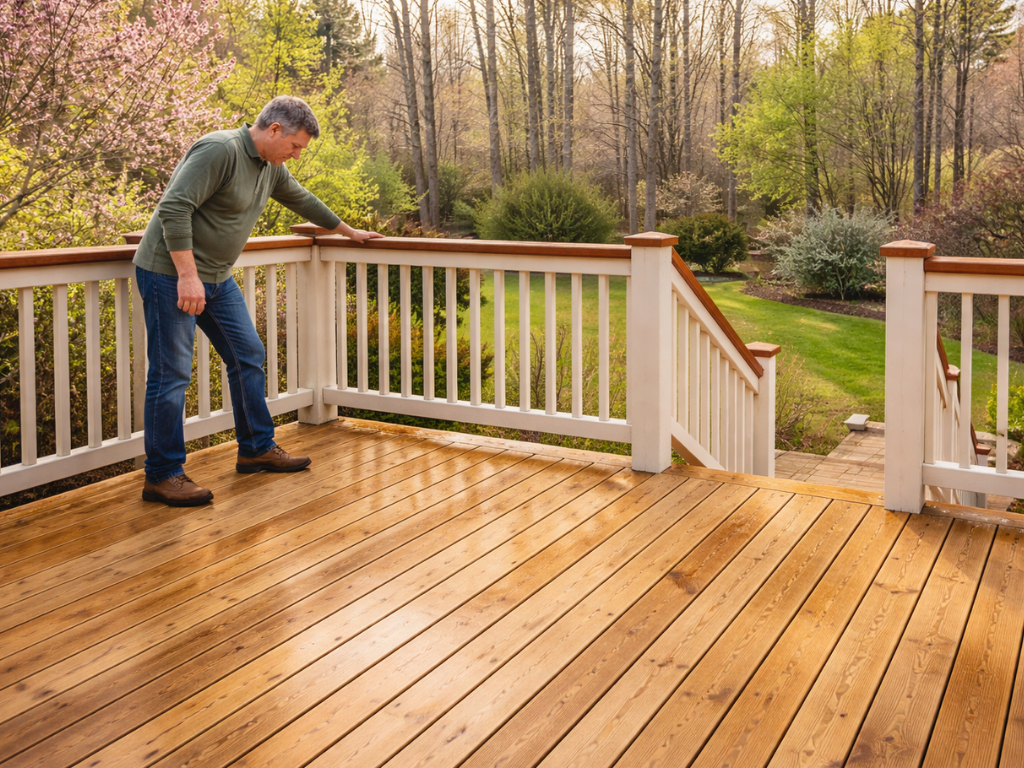
As spring arrives, it’s the ideal time to take a closer look at your deck and make sure it’s ready for another season of outdoor living. After months of winter weather, even well-built decks can show signs of wear that, if ignored, lead to more expensive repairs down the line. We’ve spent decades helping homeowners care for their homes from top to bottom, and a thoughtful spring deck inspection is one of the simplest ways to protect both safety and appearance before summer begins.
By walking through a clear checklist each year, you can spot small problems early, plan upgrades with confidence, and keep your deck looking clean, solid, and inviting. Below, we’re sharing the same inspection steps we use when evaluating decks for maintenance, repairs, and deck staining projects throughout the region.
Why Spring Is the Best Time to Inspect Your Deck
Winter moisture, freeze-thaw cycles, and debris buildup can quietly damage deck boards, fasteners, and railings. Spring inspections give everything time to dry out and make issues easier to see. Addressing concerns now helps prevent further deterioration during the warmer months when decks are used most.
We also find that early inspections allow homeowners to schedule work conveniently, before outdoor projects become backlogged later in the season.
What Should You Look for During a Spring Deck Inspection?
A careful inspection doesn’t require special tools—just a methodical approach and attention to detail.
Check the Deck Boards for Damage or Rot
Start by examining the surface boards. Look for cracking, splintering, warping, or soft spots that may indicate rot beneath the surface. Pay extra attention to areas near stairs, planters, and door thresholds where moisture tends to linger.
If boards feel spongy underfoot or show deep cracks, it may be time for repair or replacement before refinishing.
Inspect Railings, Stairs, and Structural Stability
Safety always comes first. Gently push on railings to ensure they’re secure and not wobbling. Check stair treads and stringers for movement or signs of decay. Loose or unstable components should be addressed immediately to reduce the risk of injury.
Structural issues aren’t always visible from the surface, which is why experienced eyes can make a big difference during inspections.
How Do Fasteners and Hardware Hold Up Over Winter?
Nails and screws can loosen as wood expands and contracts. Rusted or protruding fasteners are common after winter and should be tightened or replaced. Hardware that’s pulling away from the wood may indicate underlying moisture damage that needs further evaluation.
This step is especially important before applying deck staining, since loose hardware can interfere with proper surface preparation and finish quality.
Why Cleaning Comes Before Any Repairs or Finishing
Before planning repairs or coatings, decks should be thoroughly cleaned. Dirt, algae, and mildew not only make problems harder to see but also prevent stains and sealants from bonding properly.
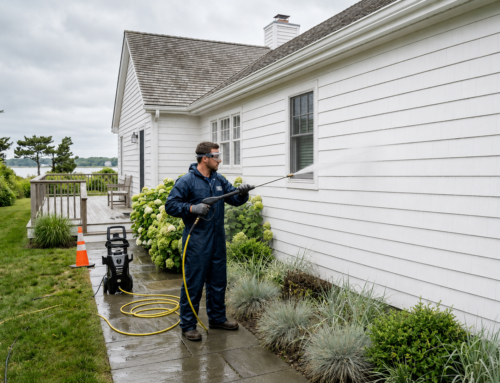
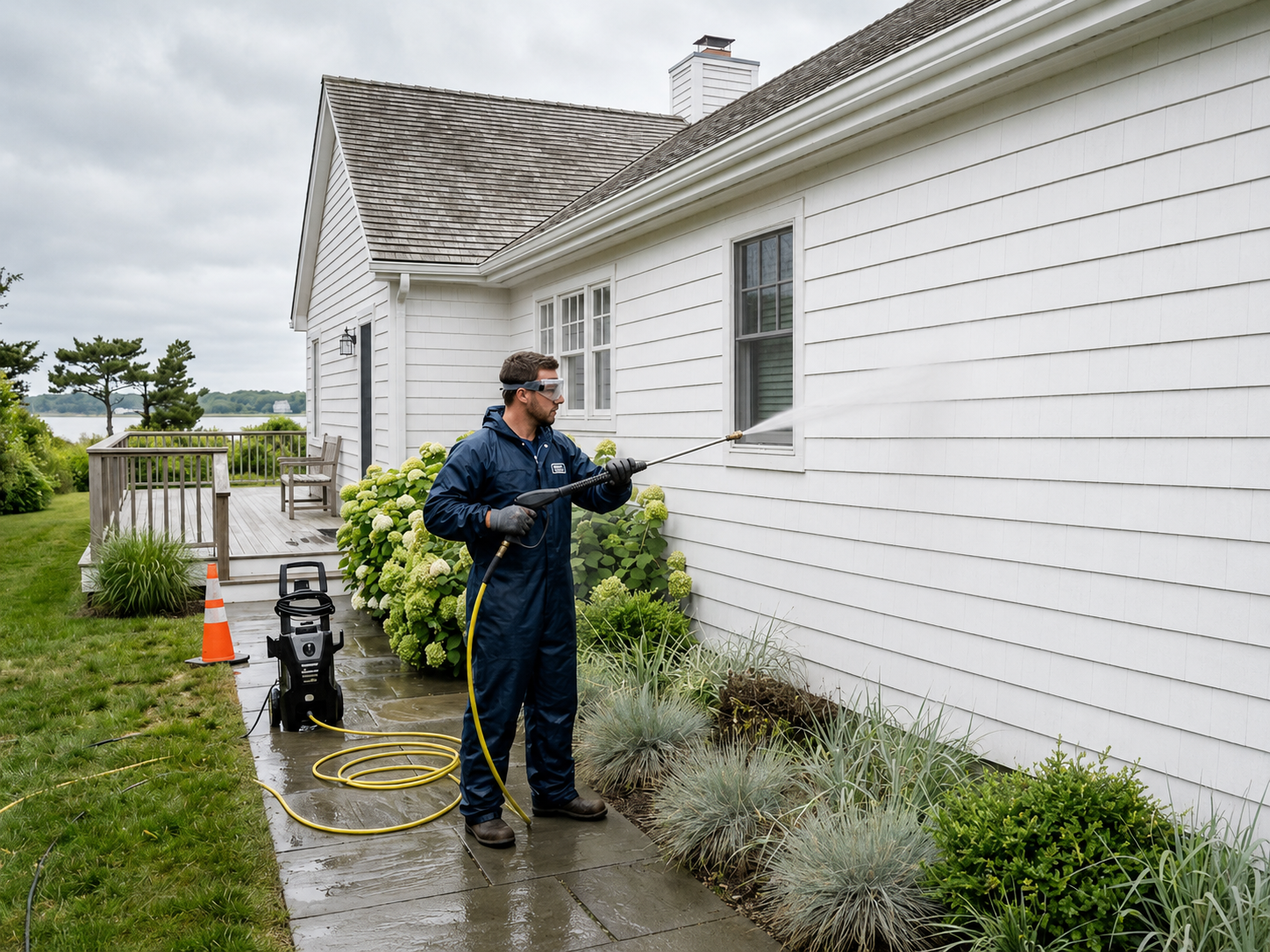
We often recommend power washing as part of spring maintenance to remove buildup and reveal the true condition of the wood underneath.
Should You Repair Before You Refinish?
Absolutely. Any damaged boards, loose railings, or surface imperfections should be fixed prior to staining or sealing. In some cases, adjacent issues inside the home—such as drywall repair in Suffolk County homes where moisture intrusion has occurred—can also signal exterior maintenance needs that shouldn’t be ignored.
Taking a comprehensive view helps ensure exterior improvements last longer and perform better.
When Is Deck Staining the Right Next Step?
Once your deck is clean and structurally sound, deck staining helps protect the wood from UV exposure and moisture while restoring its appearance. Spring offers ideal conditions for staining because temperatures are moderate and humidity is lower.
We use premium products designed to penetrate and protect wood, extending the life of the deck and keeping it looking fresh through heavy summer use.
How Deck Inspections Tie Into Broader Home Improvements
Deck maintenance often overlaps with other seasonal projects. Many homeowners choose to coordinate deck work with exterior updates or interior improvements such as interior painting in Nassau County homes. Aligning projects can save time and help maintain a consistent look and feel throughout the property.
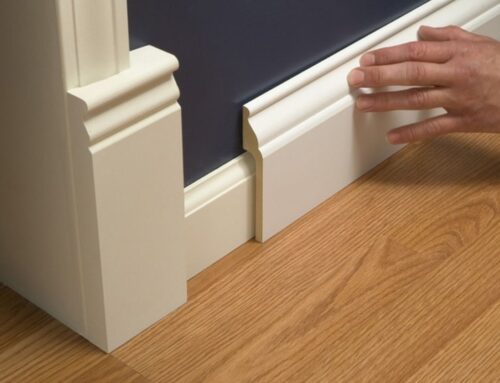
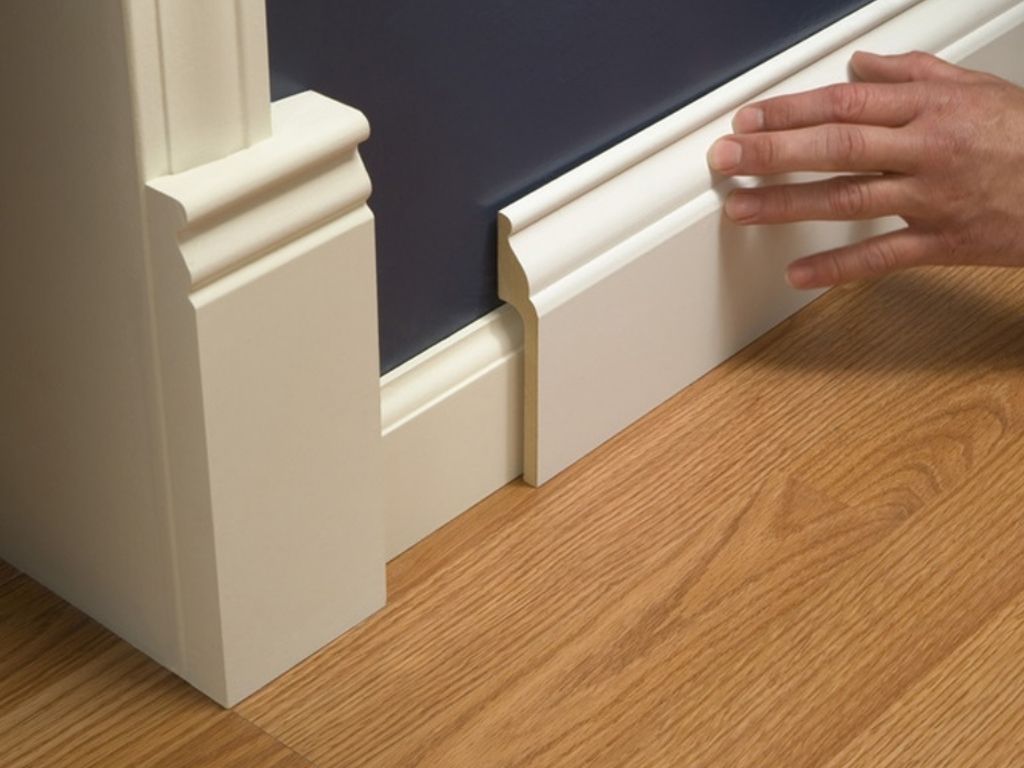
Inside the home, spring is also a popular time for wallpaper removal services and molding installation, especially when refreshing living spaces after winter. Addressing both indoor and outdoor projects together allows for a smoother renovation experience.
When Should You Call in a Professional?
While basic inspections are manageable for most homeowners, professional evaluations provide deeper insight. We look beyond surface wear to identify early-stage structural issues, moisture problems, and preparation needs that can affect long-term durability.
With over 40 years of experience, we know what to look for and how to recommend solutions that fit both the deck’s condition and the homeowner’s goals.
Planning Ahead for a Stress-Free Outdoor Season
A spring deck inspection isn’t just about fixing what’s broken—it’s about planning ahead. Knowing what your deck needs allows you to budget properly, schedule work before peak season, and enjoy your outdoor space without last-minute surprises.
We believe informed homeowners make better decisions, and that starts with clear, honest assessments and reliable craftsmanship.
If your deck could use a professional inspection, cleaning, or deck staining this spring, we’re here to help. Reach out to us to schedule a free on-site estimate and talk through the best options for your home. Visit our contact page to get started: https://www.purelypaint.com/contact-us



Leave A Comment