
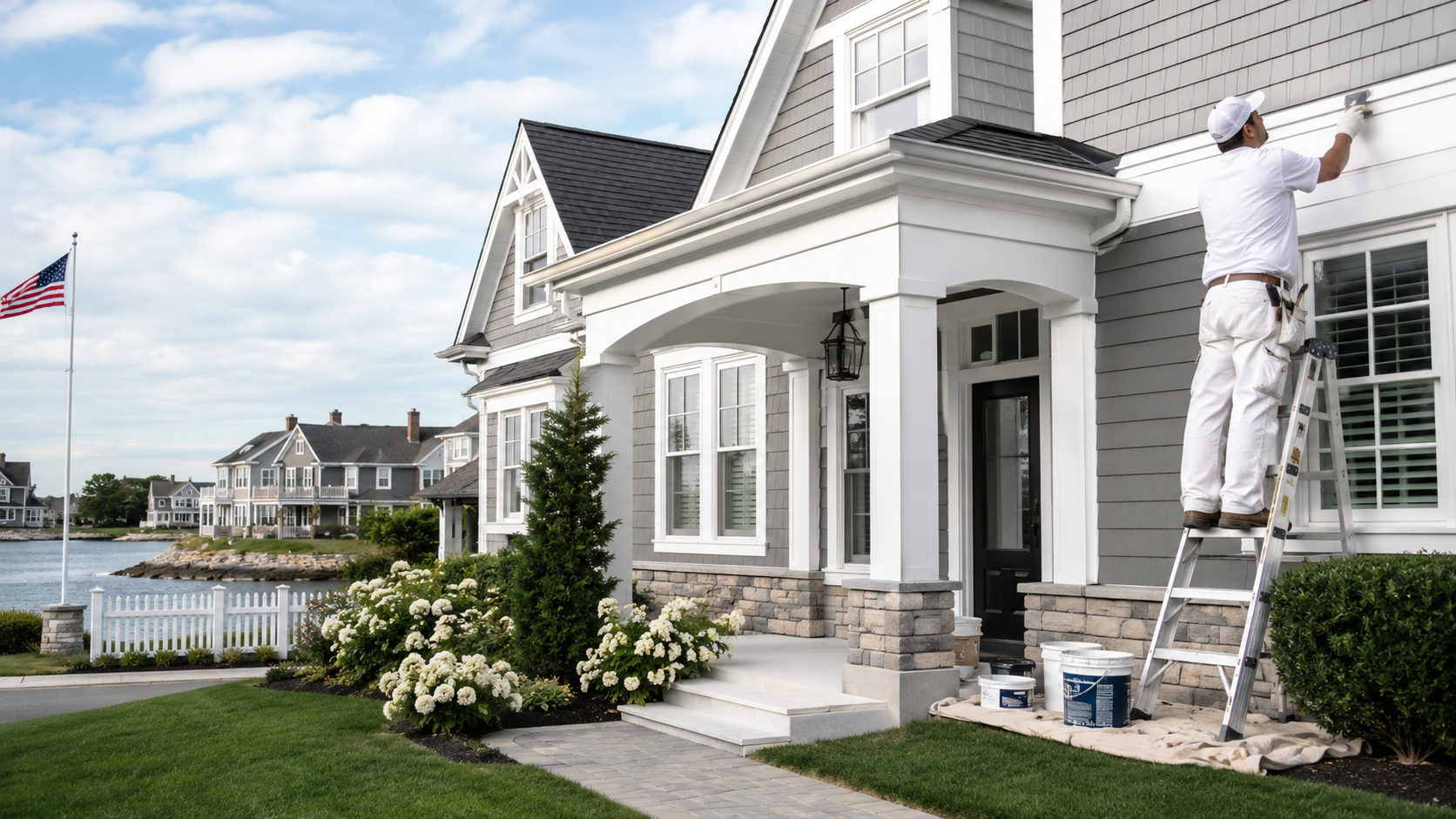
Choosing exterior paint Nassau County homeowners can rely on isn’t just about color—it’s about how Long Island humidity and coastal air wear down coatings over time. From salt spray to summer moisture, the local climate can shorten paint life if the product and prep don’t match the conditions. Here’s how to make smarter, longer-lasting exterior paint choices in Nassau County and nearby Suffolk County.
Why Nassau County’s Humidity And Coastal Air Change Exterior Paint Performance
Nassau County sits close to the ocean, bays, and tidal waterways, and that coastal influence matters. Moist air, wind-driven rain, and salty residue can stress exterior coatings more than inland environments.
Humidity slows down drying and curing, which can lead to early failure if paint is applied at the wrong time or over damp surfaces. Coastal air also carries salt and fine particles that can cling to siding and trim, weakening adhesion if the surface isn’t cleaned thoroughly.
If you’re planning a full repaint, it helps to start with a realistic view of local conditions and follow proven prep methods. For broader guidance on timing and planning, see how to know when its time to repaint your homes exterior.
How Do Humidity Effects On Paint Nassau County Homes Show Up Over Time?
High humidity can cause paint to cure slowly and unevenly, which often leads to premature peeling, blistering, or a “soft” finish that attracts dirt. On Long Island, those issues can show up faster on shaded sides of a home, near landscaping, or where gutters and sprinklers keep surfaces damp.
Common warning signs tied to humidity effects on paint Nassau County properties include:
- Blistering bubbles that appear after hot, humid days
- Peeling or flaking where moisture gets behind the paint film
- Mildew growth on shaded siding, soffits, and north-facing walls
- Chalky residue or dulling, especially on older coatings
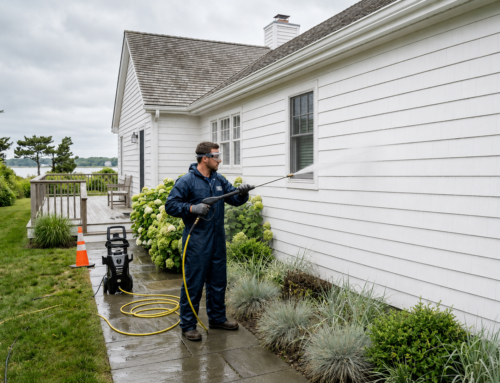
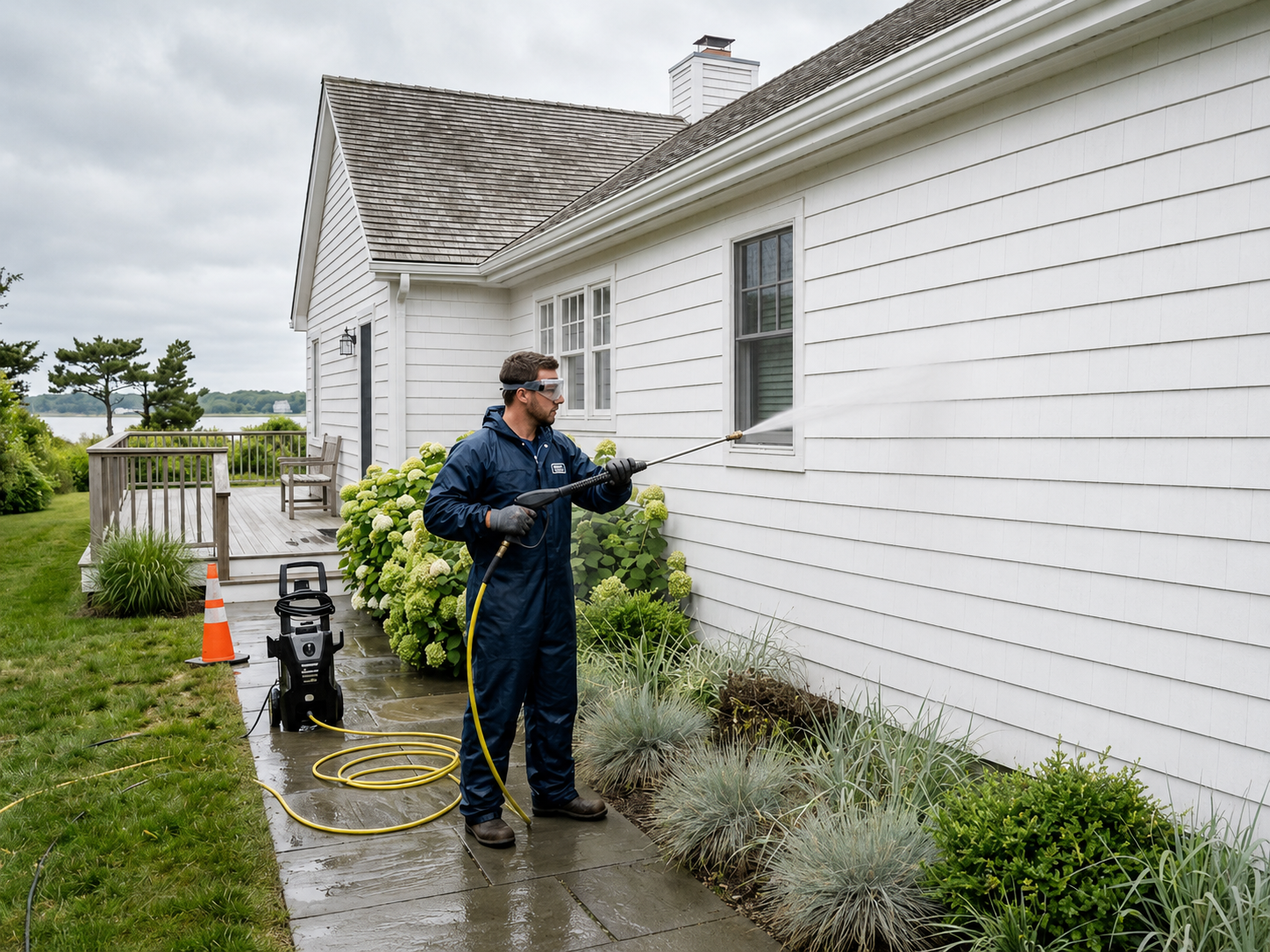
Good planning reduces risk. If your exterior needs cleaning before painting, it’s worth reviewing why june is the perfect time to power wash your home to understand how seasonal conditions impact results.
What Is Weather-Resistant Paint Serving Suffolk County And Nassau County?
Weather-resistant paint serving Suffolk County and Nassau County is exterior-grade paint designed to handle moisture, UV exposure, temperature swings, and wind-driven rain without losing adhesion or color too quickly. In coastal areas, “weather-resistant” also means better resistance to salt residue and the surface wear that comes with frequent washing.
This doesn’t mean one miracle product fits every home. The “right” weather-resistant system depends on your siding material (wood, fiber cement, stucco, masonry), the home’s sun exposure, and the condition of the existing coating.
What’s The Best Exterior Paint Choice For Coastal Air Painting Near Long Island, NY?
For coastal air painting near Long Island, NY, the best exterior paint choice is typically a high-quality 100% acrylic exterior paint paired with the correct primer for your surface. Acrylics tend to flex with temperature changes, resist cracking, and hold up well against moisture. The biggest performance gains usually come from thorough cleaning, proper sanding, and priming—not just the topcoat.
From there, the goal is to match the coating system to your home:
- For wood siding and trim: acrylic exterior paint with strong adhesion, plus spot-priming any bare wood
- For masonry or stucco: breathable coatings that allow moisture vapor to escape (important in humid climates)
- For older, glossy, or previously coated surfaces: bonding primer to reduce peeling risk
If you want to zoom out and compare approaches, enhance your curb appeal with exterior painting is a helpful starting point for understanding how systems and finishes affect durability.
Where Salt Air Does The Most Damage On Long Island Exteriors
Coastal air doesn’t affect every part of a home equally. Wind direction, shade, and how water drains all influence where paint breaks down first.
Areas that typically take the biggest hit in Nassau County include:
- Trim, soffits, and fascia where salty residue builds up and bakes in the sun
- Lower siding courses where splashback and damp soil keep surfaces wet
- Window sills and door trim where joints and seams let moisture in
- Deck railings and porch columns that face prevailing wind and rain
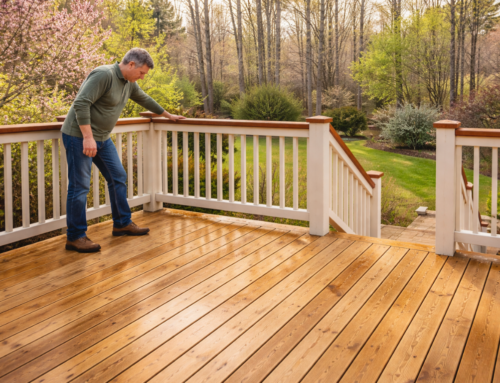
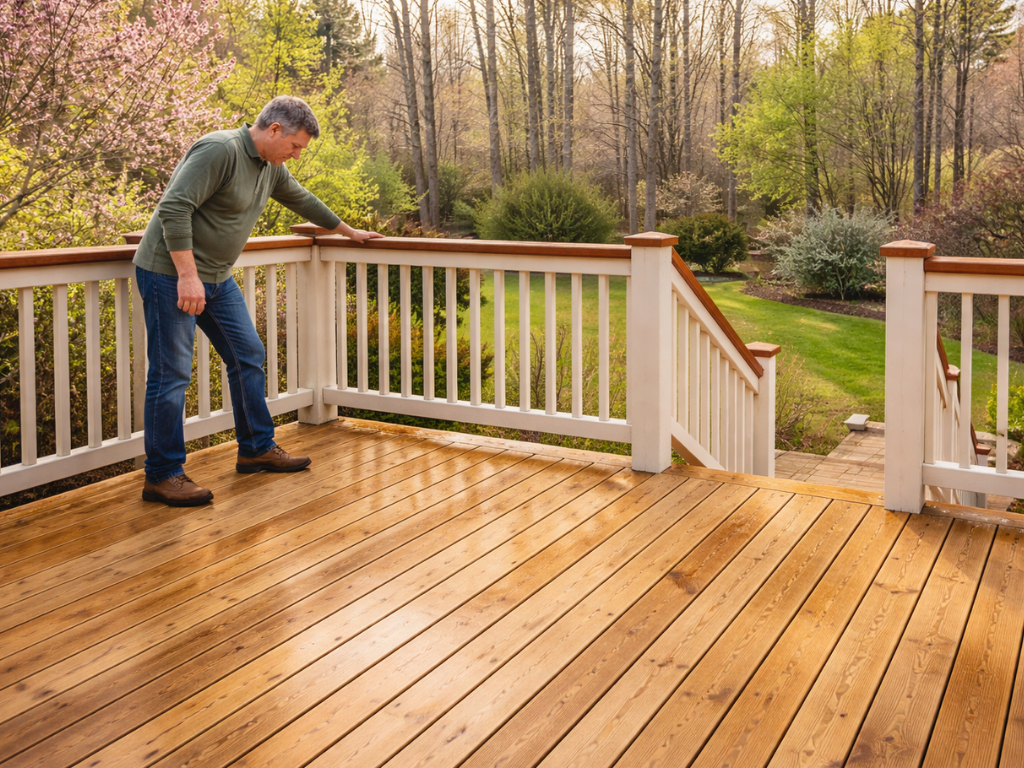
If you’re maintaining outdoor wood along with the home exterior, deck staining services NY can be a smart companion project because decks often show moisture damage before siding does.
Exterior Paint Nassau County Prep: The Steps That Matter Most In Humid, Coastal Areas
Exterior paint fails early more often from prep issues than from “bad paint.” In humid and coastal conditions, surface contaminants and trapped moisture are the main enemies.
A dependable prep sequence usually includes:
- Wash to remove salt, dirt, pollen, and mildew (and allow full dry time)
- Scrape and sand loose paint edges to a sound, feathered transition
- Repair damaged wood or failing caulk lines around joints and penetrations
- Prime bare spots and repaired areas with the correct primer for the substrate
- Apply topcoats within the recommended temperature and humidity range
For a deeper look at why this matters, why proper surface preparation is the key to a perfect paint job explains how adhesion and longevity are won before the first finish coat goes on.
When Should You Paint Outside In Nassau County To Avoid Humidity Problems?
Timing is a major part of managing humidity effects on paint Nassau County homes. Even the best coating can struggle if it’s applied when surfaces are damp, or when overnight dew repeatedly lands on fresh paint.
Practical timing tips that help in coastal areas:
- Paint after a stretch of dry weather so siding can release absorbed moisture
- Avoid painting late in the day when dew is likely before the paint sets
- Follow manufacturer guidance for temperature and humidity ranges
- Pay attention to shaded elevations that dry slowly after washing or rain
Spring touch-ups can be a smart strategy before peak humidity arrives. why spring is the best time for exterior paint touch ups breaks down why earlier-season work can reduce moisture-related surprises.
How Color And Sheen Affect Coastal Durability (And What Homeowners Often Miss)
Paint color and sheen aren’t just style decisions in Nassau County. They can influence how a home handles sun exposure, visible staining, and how often you’ll want to wash the exterior.
General guidance that works well for coastal air painting near Long Island, NY:
- Lighter colors often show less fading and reduce heat buildup on sunny walls.
- Higher sheens can be easier to clean but may highlight surface imperfections.
- Flatter finishes hide flaws but can hold dirt and mildew more easily in damp areas.
If you’re also planning indoor updates at the same time (common during a full home refresh), browsing our painting and home improvement services can help you map out projects in a logical order.
How We Approach Painting Choices Nassau County Homeowners Can Trust
Painting choices Nassau County homeowners make should be based on surface conditions first, and paint brand second. We focus on a system approach: cleaning, repairs, priming, and selecting an exterior coating that matches the substrate and exposure.
That often includes addressing related issues that can compromise exterior results, such as interior moisture staining, damaged drywall near leaky windows, or repair work that needs to be completed before repainting. When walls or ceilings need to be restored for a clean finish, sheetrock drywall repair can be an important step in keeping the whole property looking consistent.
Common Questions About Exterior Paint Nassau County Homes In Humid, Coastal Conditions
Does salty coastal air really make exterior paint fail faster?
Salt residue can weaken paint adhesion over time, especially on trim and areas that don’t get rinsed by rain. The bigger issue is that salt and grime create a film on the surface, so new paint may not bond well unless the home is washed properly and allowed to dry completely.
What kind of paint is best for humidity effects on paint Nassau County homes?
High-quality acrylic exterior paints are often a strong choice because they resist moisture, flex with temperature swings, and maintain adhesion well. The best results still depend on using the right primer and not painting over damp or dirty siding, which is a common cause of peeling.
Should I power wash before exterior painting near Long Island’s coast?
In most cases, yes—washing helps remove salt, mildew, and chalky residue that interfere with adhesion. The key is giving the surface enough dry time afterward, especially on shaded elevations. Rushing from washing to painting is one of the quickest ways to trap moisture under new paint.
How do I know if my home needs repairs before repainting?
Look for soft wood, open seams, failing caulk joints, and peeling that goes down to bare material. If you’re seeing bubbling, staining, or uneven surfaces, repairs may be needed before any topcoat can last. Prep and repair are usually what separate a short-term refresh from a durable repaint.
Can weather-resistant paint serving Suffolk County also work for Nassau County?
Yes. Nassau and Suffolk share many of the same coastal and humidity challenges, so durable exterior paint systems often translate well across both counties. The final selection should still account for your home’s siding type, sun exposure, and the condition of the existing coating.
If you want help choosing an exterior paint Nassau County solution that fits your home’s exposure, siding type, and current condition, we can help you plan the right system from prep through final coat. Call (516) 835-5880 to talk through your project, or request a visit and pricing through our estimate page. For scheduling and next steps, you can also reach us anytime via our contact us page.

Leave A Comment