
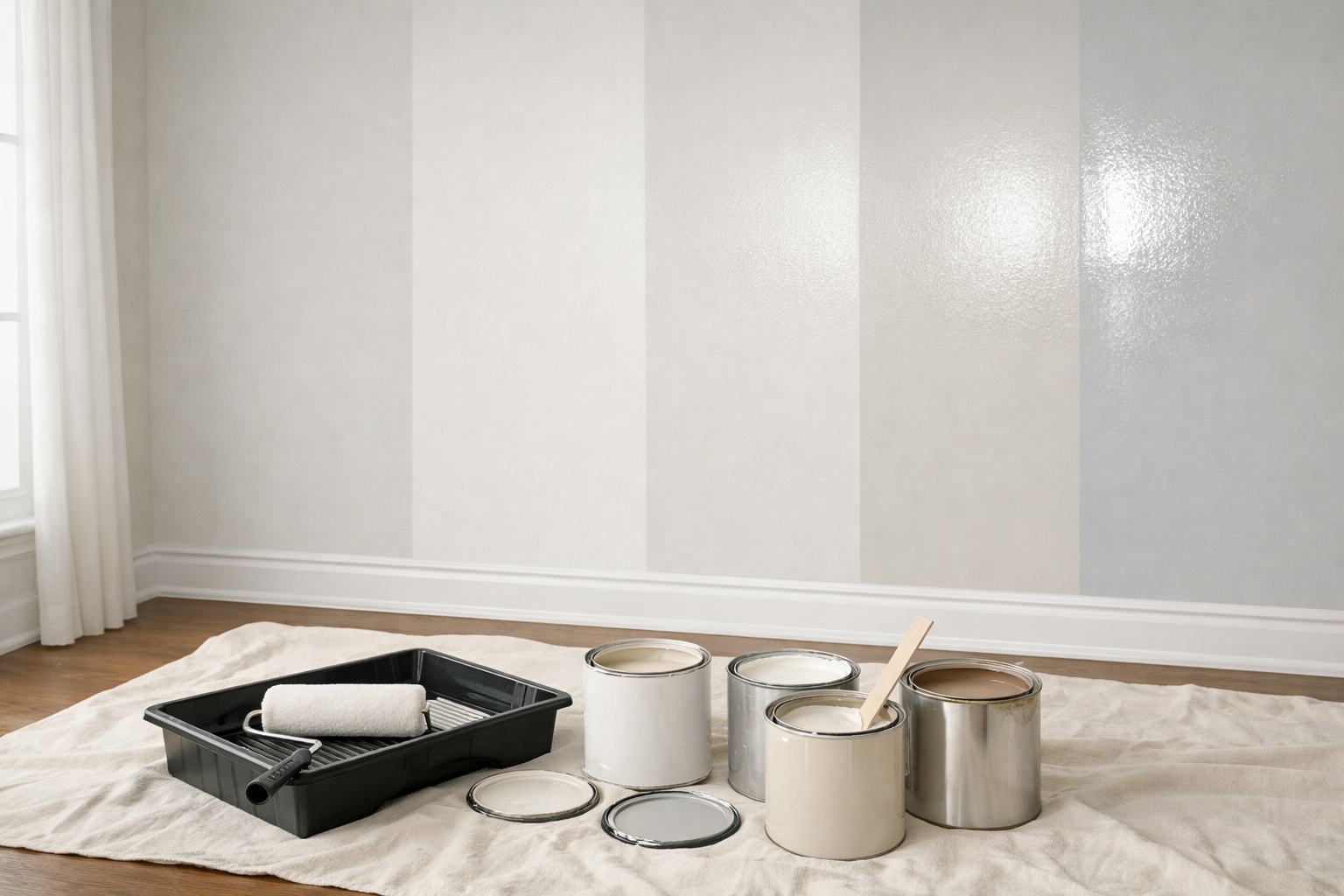
Open-concept living spaces offer flexibility and flow, but choosing the right paint colors can feel overwhelming. The key is creating cohesion while still defining each functional area. With thoughtful planning and professional interior painting, you can achieve a balanced, seamless look that enhances both style and comfort.
Why Paint Selection Matters More in Open-Concept Homes
In a traditional home, walls and doors naturally separate rooms. In an open-concept layout, the kitchen, dining area, and living room often share sightlines. That means your color choices don’t just affect one space — they influence the entire environment.
We’ve worked on countless interior painting in Nassau County projects where homeowners initially underestimated how dramatically color impacts openness, lighting, and mood. In open layouts especially, paint becomes the primary tool for creating definition without physical barriers.
The wrong shade can make a large space feel disjointed. The right combination can create harmony, warmth, and visual structure.
Should You Use One Color Throughout?
One of the most common questions we hear is: should everything be the same color?
There’s no one-size-fits-all answer. Using a single, cohesive color throughout an open-concept space can create a clean, expansive feel. Soft neutrals, warm whites, or light greige tones often work beautifully for this approach.
However, subtle variation can add depth. Instead of starkly different colors, we often recommend:
- Slight tonal shifts within the same color family
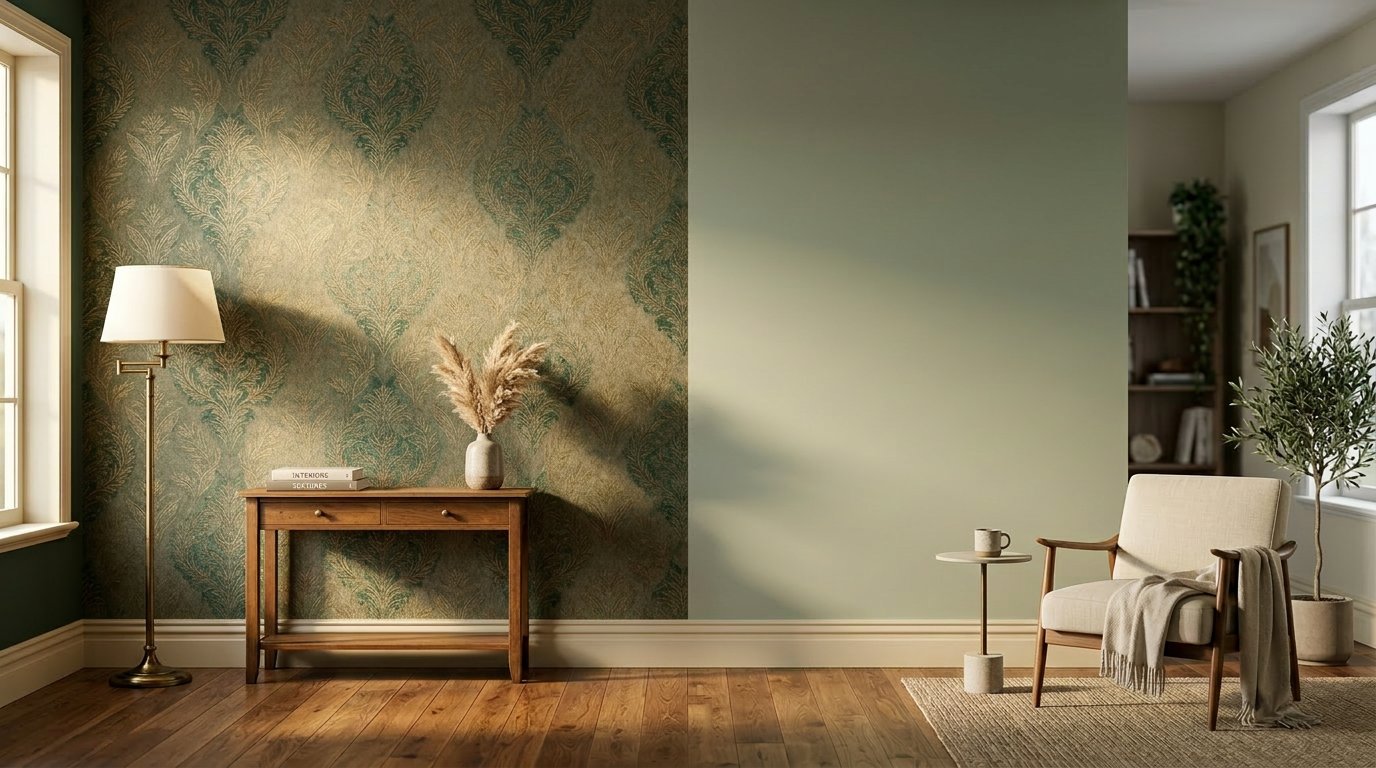
- Accent walls that complement — not compete
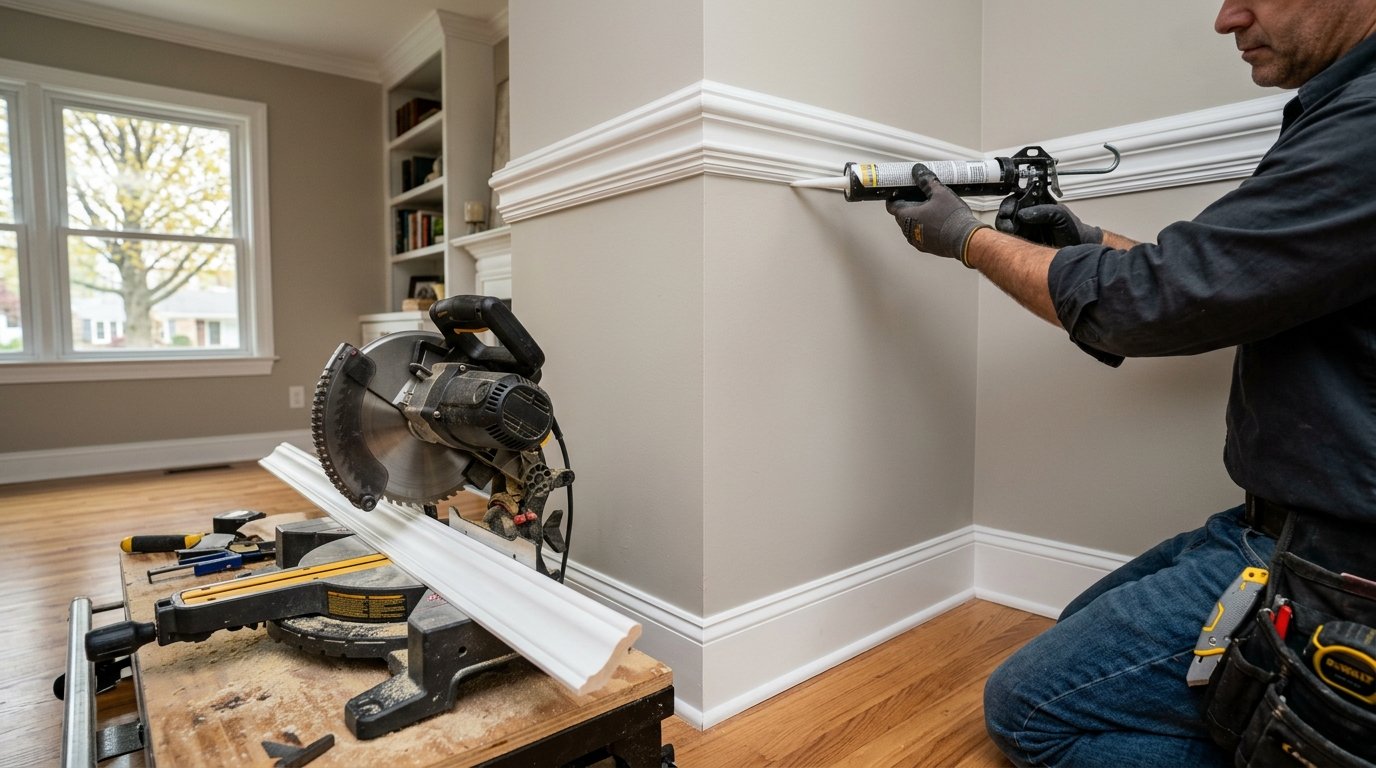
- Coordinating trim and molding installation to frame the space
By keeping undertones consistent, you avoid visual breaks while still giving each area personality.
How Lighting Affects Paint in Open Spaces
Open-concept homes often feature multiple light sources — natural light from windows, overhead fixtures in kitchens, pendant lights over islands, and recessed lighting in living areas.
The same paint color can appear dramatically different depending on where you stand. We always encourage homeowners to test large swatches and observe them throughout the day.
As a professional painting company in Old Bethpage, we’ve seen how northern light cools tones while southern exposure warms them. Artificial lighting can add another layer of complexity. Testing before committing prevents costly repainting later.
Using Color to Define Functional Zones
Even without walls, color can subtly signal where one space ends and another begins.
Kitchen Areas
Kitchens often benefit from slightly brighter or cleaner tones to enhance light reflection and showcase cabinetry. If you’re also updating cabinetry, pairing fresh wall colors with cabinet refinishing can create a cohesive, modern look.
Living Areas
Living spaces typically feel best in softer, inviting tones. Warm neutrals or muted earth tones help create comfort without overpowering the openness.
Dining Areas
Dining spaces can handle slightly deeper hues for intimacy — especially if anchored by statement lighting or molding installation that visually frames the room.
The key is balance. Sharp contrast can make open spaces feel fragmented. Gentle transitions keep the design intentional.
What If There’s Existing Wallpaper?
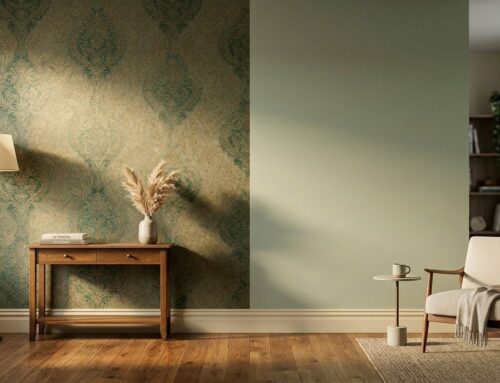
Many open-concept homes, particularly older ones, still have wallpaper in select areas. Before any paint project begins, proper wallpaper removal is essential for a smooth, lasting finish.
We frequently provide wallpaper removal services before starting a new color transformation. Removing wallpaper correctly prevents bubbling, peeling, and uneven textures from showing through fresh paint.
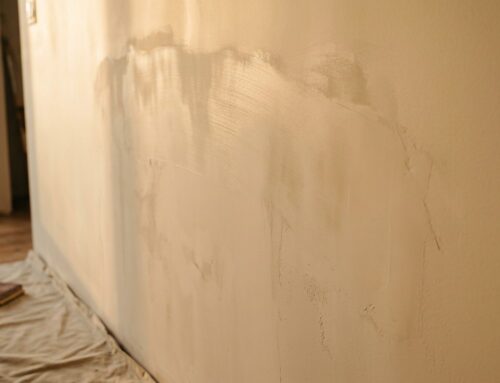
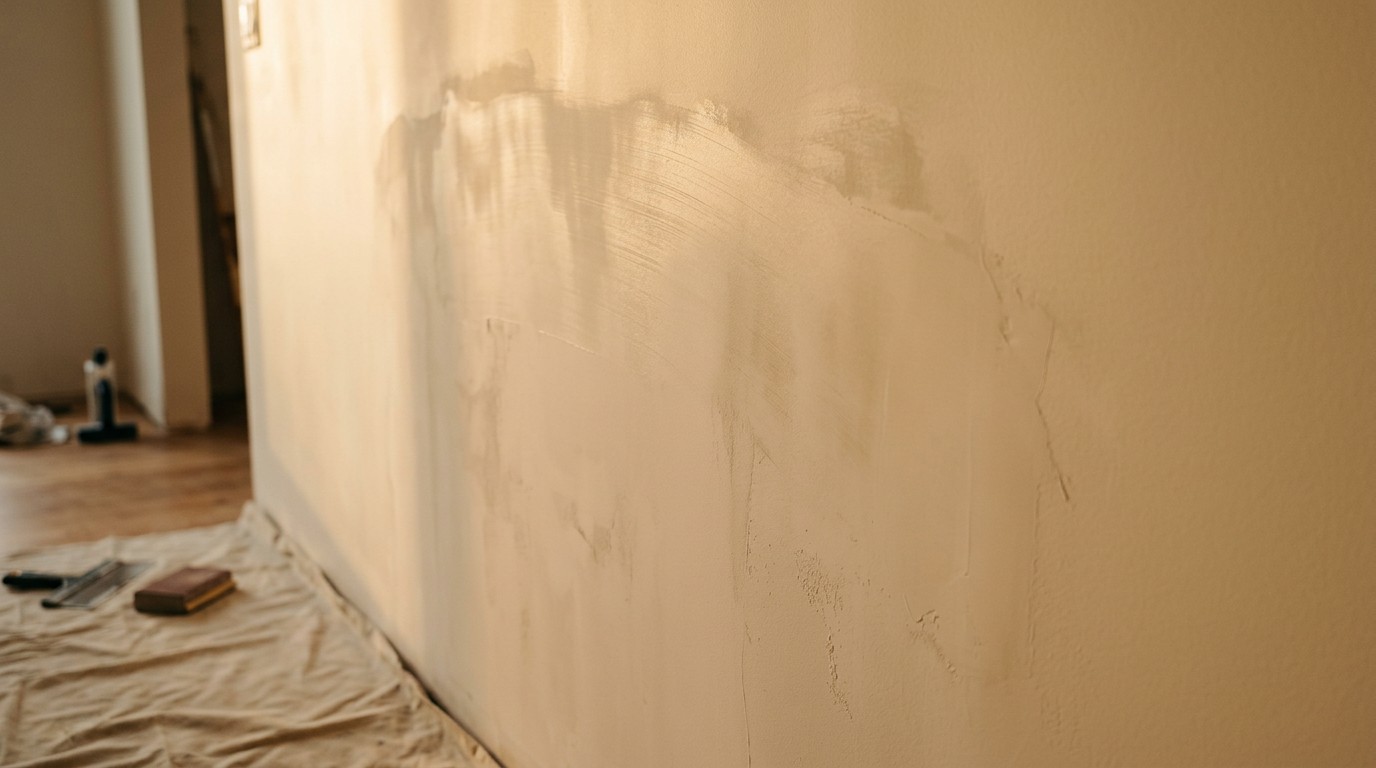
In some cases, we also recommend skim coating to create a perfectly smooth surface after removal. This step ensures that the final finish looks clean and modern — especially important in large, visible spaces.
The Importance of Surface Preparation
Open-concept areas tend to be high-traffic. That means walls often show dents, seams, or imperfections.
Before any interior painting in Nassau County, we carefully inspect surfaces for needed repairs. Small cracks, nail pops, and uneven drywall seams are addressed before primer ever touches the wall. Clean lines and flawless surfaces make neutral colors look intentional rather than flat.
Preparation isn’t just about aesthetics — it’s about durability. Proper priming and premium products from Sherwin-Williams or Benjamin Moore ensure long-term performance in busy living areas.
Choosing the Right Finish
Color is only part of the decision. Sheen matters just as much.
- Flat or matte finishes reduce glare and hide imperfections.
- Eggshell offers a subtle glow and added durability.
- Satin works well in kitchens due to easy cleaning.
In open layouts, consistency in sheen is often just as important as consistency in color. Mixing too many finishes can disrupt the flow visually.
As an experienced painting company in Old Bethpage, we guide homeowners through these technical details so every decision supports the overall look.
Coordinating Trim, Molding, and Architectural Details
In open-concept homes, trim and molding play a larger visual role because there are fewer walls to break up space.
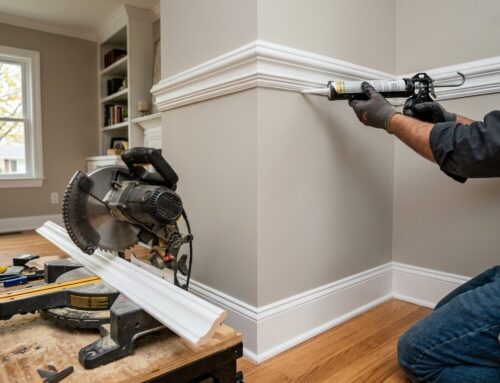
Crisp white trim can define the perimeter, while carefully planned molding installation adds architectural interest without cluttering the openness. Crown molding, baseboards, and door casings can subtly elevate the design and frame your chosen colors.
We often see homeowners transform entire spaces simply by pairing a fresh wall color with upgraded trim work.
Planning Your Project the Right Way
Open-concept painting projects require thoughtful sequencing and coordination. Large continuous spaces demand precision in cutting lines, blending sections, and maintaining uniform coverage.
We approach every project with detailed preparation, clear communication, and experienced project management. With over 40 years of experience serving residential and commercial clients, we understand that paint in an open-concept home isn’t just decoration — it’s the foundation of the design.
If you’re considering a refresh and want guidance on the right colors, finishes, and preparation steps, we’re here to help. Visit our contact page to schedule your free estimate and start planning your next interior transformation.
How many paint colors should I use in an open-concept space?
In most open-concept homes, two to three complementary colors within the same family create balance without making the space feel disconnected. Subtle tonal variations often work better than bold contrasts.
Do I need to remove wallpaper before painting?
Yes. Proper wallpaper removal ensures a smooth, durable finish. Painting over wallpaper can lead to bubbling, peeling, and visible imperfections, especially in large open areas with natural light.
What paint finish works best for open living areas?
Eggshell is a popular choice because it offers durability with a soft appearance. Kitchens may benefit from satin for easier cleaning, while ceilings typically use flat finishes to reduce glare.



Leave A Comment