
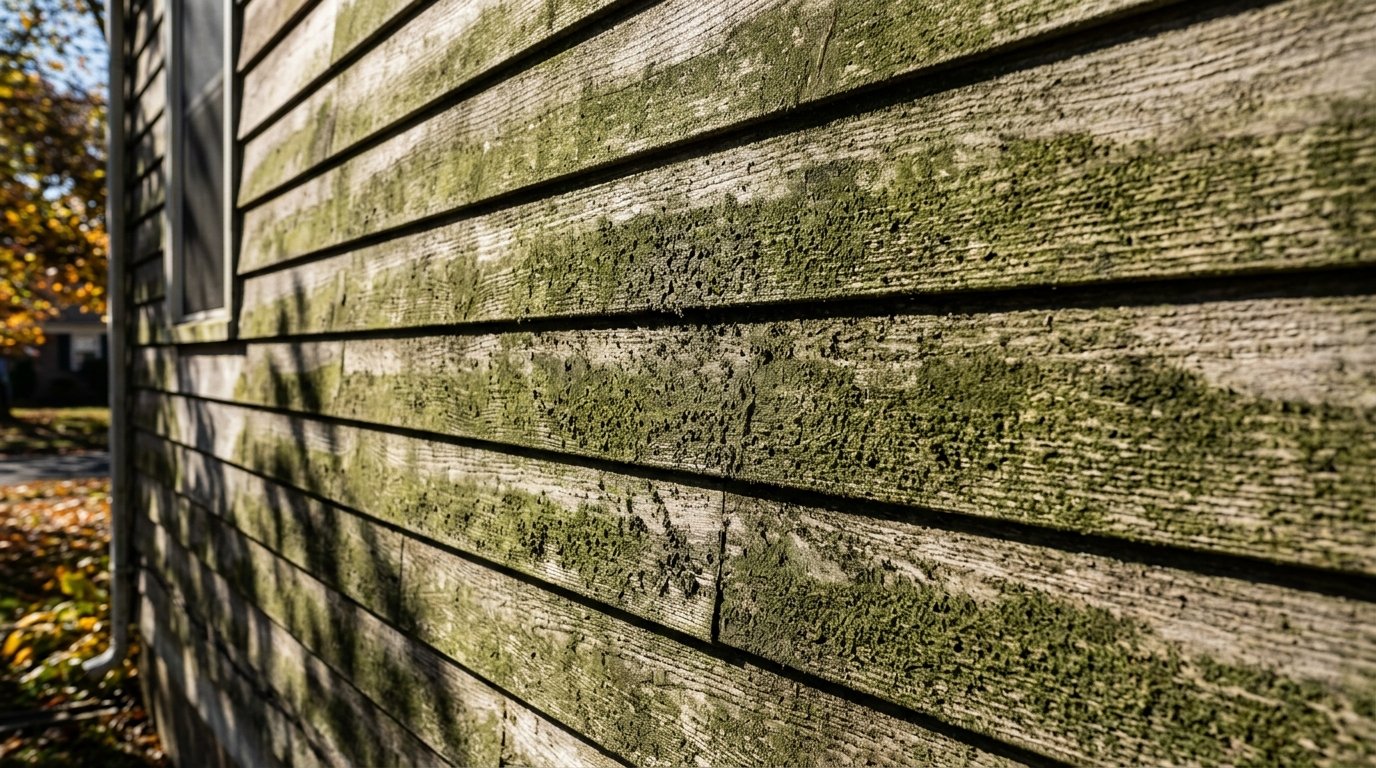
When temperatures drop on Long Island, grime, algae, and salt residue can trap moisture against your siding, decks, and walkways. Scheduling power washing near Nassau County, NY as part of your home preparation for winter helps protect exterior materials and sets you up for fewer repairs come spring.
Below, we’ll walk through what to clean, when to do it, and how exterior cleaning serving Suffolk County, NY and surrounding areas fits into a smart, winter-ready maintenance plan.
Why exterior cleaning matters for home preparation for winter
Winter weather on Long Island can be tough on exterior surfaces. Moisture that sits on dirty siding, steps, and decks can freeze and expand, which may worsen small cracks, lift flaking paint, and contribute to slippery conditions.
Power washing is a practical step because it removes the buildup that holds moisture close to your home. It also helps you spot trouble areas early, like soft wood, failing caulk lines, or peeling coatings, before freezing temperatures make repairs harder.
If you’re also planning seasonal upgrades, it helps to think of exterior cleaning as the first domino. For example, if you’re scheduling deck staining services NY, washing first is a key part of getting good adhesion and an even finish.
What is power washing, and how is it different from pressure washing?
Power washing is cleaning that uses pressurized water, often with heated water, to break down dirt, mildew, and other residue on exterior surfaces. Pressure washing typically uses unheated water at similar pressure. In real-world use, the best method depends on the surface material and the type of buildup you’re removing.
For many homes, “power washing” is used as a catch-all term, but what matters most is using the right pressure, the right nozzle, and the right cleaning approach for siding, brick, concrete, or wood.
For a seasonal timing guide, our article on why June is the perfect time to power wash your home explains how weather and drying time affect results.
When should you schedule winter power washing near Long Island, NY?
For most homeowners, the best window is early to mid-fall, before overnight temperatures regularly drop near freezing. That gives surfaces time to dry thoroughly and gives you a chance to make any needed repairs before winter arrives.
Here’s a simple timing checklist:
- Schedule after most leaves have fallen so you’re not cleaning twice.
- Avoid days with strong wind that can blow debris onto wet surfaces.
- Plan for a 24–48 hour drying window before sealing, staining, or painting.
If you’re trying to coordinate other projects, it can help to read the importance of prep work in a perfect paint job, since cleaning is often the first step in any lasting exterior finish.
How does power washing help protect paint, siding, and trim before winter?
Power washing removes contaminants that can break down exterior finishes over time. Mold and algae can stain paint, while dirt and salt can speed up wear on coatings and contribute to early peeling in vulnerable areas.
It also helps reveal what’s really happening under the grime. Once a surface is clean and dry, it’s easier to see:
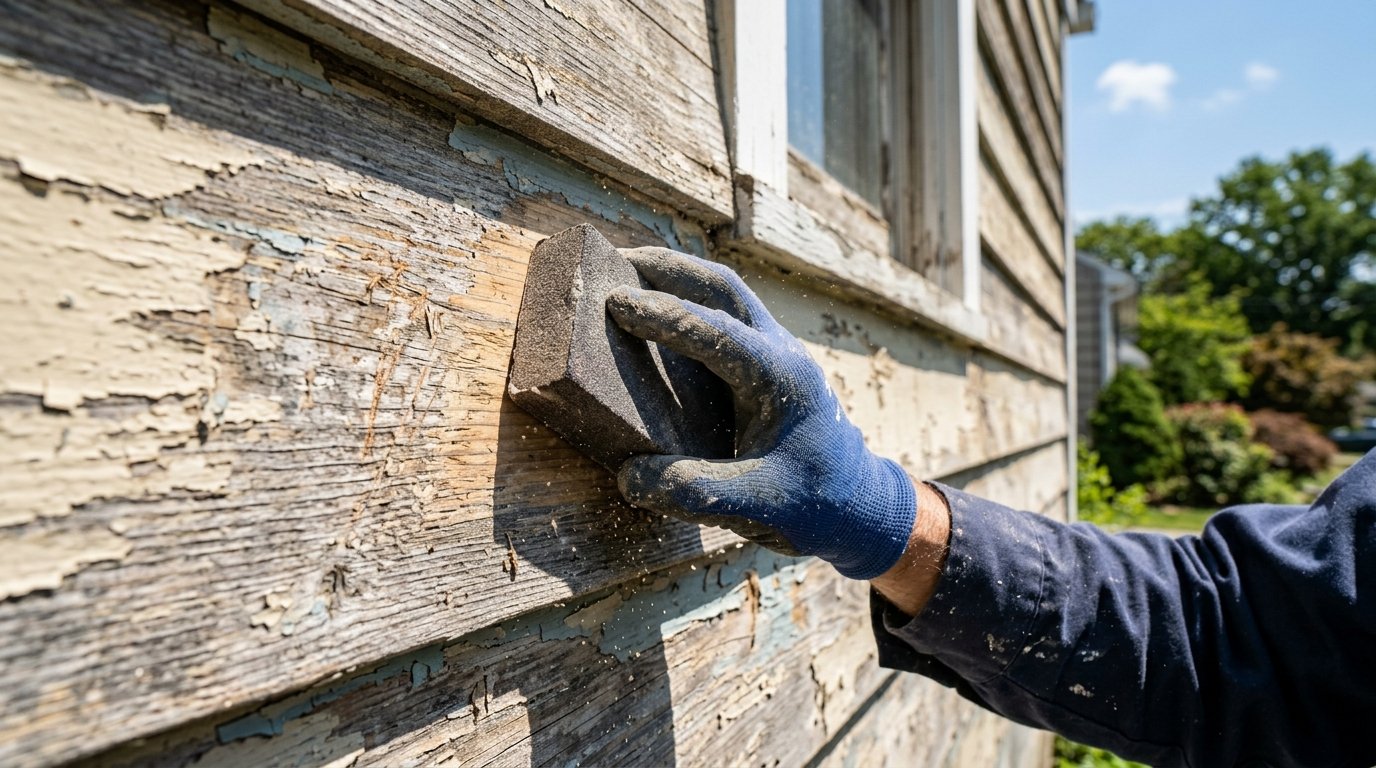
- Peeling or bubbling paint
- Hairline cracks in stucco or masonry joints
- Open seams around trim and flashing
- Wood rot or soft spots on railings and steps
If cleaning uncovers areas that need attention, you can plan repairs and touch-ups before winter weather locks them in. Our guide on how to know when it’s time to repaint your home’s exterior can help you decide whether you need a few spot fixes or a full repaint.
What should you power wash before winter (and what should you avoid)?
Not every surface should be cleaned the same way. The goal is to remove buildup without damaging materials or forcing water where it shouldn’t go.
Best areas to clean as part of home preparation for winter
- Siding and soffits (to remove algae, mildew, and dirt streaking)
- Brick and stone (to lift grime and surface growth)
- Concrete steps, patios, and walkways (to reduce slippery buildup)
- Decks and fences (to remove organic growth before sealing or staining)
- Driveways (especially where oil stains and leaf tannins collect)
Areas that require extra care
- Older wood siding and delicate trim, where high pressure can gouge the surface
- Windows and doors, where spray can push water into gaps
- Vents and weep holes, which need to remain clear and unobstructed
- Recently painted areas that may not be fully cured
If you’re planning paint work after cleaning, it’s worth reviewing why proper surface preparation is the key to a perfect paint job to understand why drying time, scraping, and priming matter as much as washing.
Can power washing cause damage to a home’s exterior?
Yes, power washing can cause damage when the pressure is too high, the nozzle is too close, or the technique is wrong for the surface. The most common issues are etched wood, stripped paint, dented vinyl siding, and water intrusion behind siding or trim.
That’s why the best results come from matching the approach to the material. For example, cleaning a composite deck is not the same as cleaning old cedar boards, and cleaning stucco requires a different touch than cleaning concrete.
If you’re weighing DIY vs. hiring a team, it helps to think beyond the washer itself. Ladders, surface chemistry, and water control around doors, vents, and landscaping all play a role in preventing problems.
How do you choose the right “power washing near Nassau County, NY” provider?
Look for a provider who treats exterior cleaning as part of protecting the home, not just blasting away dirt. A good process starts with a walkthrough, an explanation of what will be cleaned, and a plan for protecting plants and sensitive areas.
Here are a few practical questions to ask:
- Which surfaces will be cleaned, and which will be treated more gently?
- How do you protect landscaping and nearby outdoor furniture?
- How do you avoid forcing water behind siding or into vents?
- What drying time do you recommend before painting or sealing?
It can also help to work with a team that understands the next steps after washing, especially if your plan includes painting or restoration. You can explore options through our home improvement services, which cover common follow-up projects homeowners schedule after exterior cleaning.
What does exterior cleaning serving Suffolk County, NY and nearby areas typically include?
Service scopes vary by property, but most winter-prep cleanings focus on the surfaces that collect the most organic growth and debris. Homes near trees, shaded areas, or high-traffic driveways often need more attention.
A typical exterior cleaning plan may include:
- Rinsing and washing siding to remove grime and mildew staining
- Cleaning concrete paths and steps to reduce slick buildup
- Deck and fence washing to prepare for sealing or staining
- Spot cleaning around gutters, downspouts, and exterior trim
If your home’s exterior is due for a refresh after cleaning, our resource on enhancing your curb appeal with exterior painting covers how clean surfaces help paint look better and last longer.
Do you need power washing serving Queens, NY before winter, too?
Yes. Homes in Queens and nearby areas often deal with a different mix of buildup, including soot, traffic film, and wind-blown debris that clings to siding and masonry. That kind of residue can hold moisture and dull the look of your exterior.
The key is choosing a method that matches the building materials and the surrounding environment. If you’re in a denser neighborhood, protecting adjacent property, windows, and entryways becomes even more important during exterior cleaning.
A practical pre-winter exterior checklist (after you wash)
Once surfaces are clean and dry, you can make winter prep decisions with clearer eyes. Here are smart next steps many homeowners take after a fall wash:
- Inspect caulk lines around windows, doors, and trim; reseal where needed.
- Touch up peeling areas to reduce moisture entry.
- Check decks and railings for loose boards or fasteners.
- Consider sealing or staining wood surfaces before wet weather sets in.
If your deck is part of your winter prep plan, our seasonal guide on pre winter deck maintenance explains why timing matters for sealing and staining.
Ready to get your exterior winter-ready?
If you’re planning power washing near Nassau County, NY or you need help coordinating exterior cleaning serving Suffolk County, NY with painting or seasonal upkeep, we’re here to help you map out the right order of operations. Start by requesting an estimate through our estimate page or by reaching out on our contact page.
Prefer to talk it through? Call us at (516) 835-5880 and we’ll help you plan a winter-ready exterior cleaning and maintenance schedule that fits your home.
Common Questions About Power Washing for Winter Exterior Preparation
Is it better to power wash in fall or spring on Long Island?
Fall power washing is often ideal for home preparation for winter because it removes grime and organic growth before cold, wet weather arrives. Spring washing is great for cleanup after winter, but it may reveal damage that could have been addressed earlier. If you’re planning painting or sealing, fall timing often helps the most.
How long does a home need to dry after power washing before painting?
Drying time depends on materials and weather, but many exterior surfaces need at least 24–48 hours to dry fully after washing. Shaded areas and wood can take longer. If you’re considering paint work, reviewing how professional surface prep makes or breaks a paint job can help you understand why patience here improves durability.
Can power washing remove mold and mildew before winter?
Power washing can remove surface mold and mildew, especially when paired with appropriate cleaning solutions and proper technique. The goal is to remove the growth and the staining residue so it doesn’t keep feeding on moisture. For stubborn spots, the right approach matters more than using maximum pressure.
What areas should I avoid blasting with high pressure?
Avoid high pressure on older wood, soft trim, window seals, door thresholds, vents, and any area where water could be pushed behind siding. These are common places where damage or water intrusion can occur. If you’re unsure, it’s safer to use a gentler method and focus on technique rather than force.
Does power washing help if I’m not repainting this year?
Yes. Even if you’re not repainting, power washing helps extend the life of existing finishes by removing contaminants that trap moisture and break down coatings. It also improves curb appeal and can make winter maintenance easier by reducing slippery buildup on steps and walkways.


Leave A Comment