
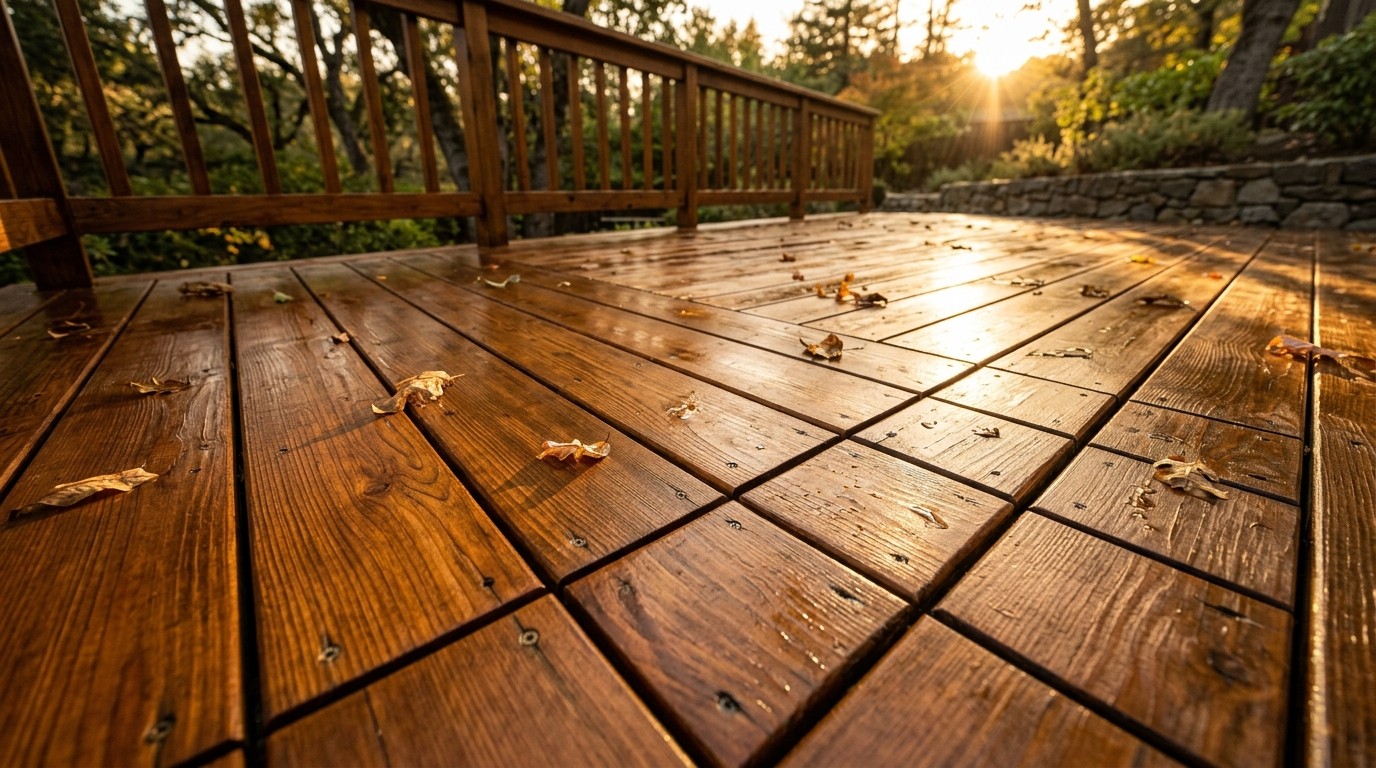
Deck staining serving Nassau County, NY is one of the simplest ways to slow down the wear that leads to loose boards, splintering, and expensive structural repairs. When stain and sealer are applied at the right time, they help your deck resist moisture, sun damage, and everyday foot traffic. Below, we’ll break down how staining works, what to watch for, and how to plan deck maintenance near Long Island, NY for longer deck life.
Why Decks Fail Early on Long Island (And What Stain Has to Do With It)
On Long Island, decks are exposed to humid summers, salty air in many neighborhoods, freeze-thaw cycles, and heavy rain. Over time, this combination pushes water into the wood, then pulls it back out again. That repeated swelling and shrinking is what drives cracking, warping, raised grain, and fastener movement.
Staining matters because it helps manage that moisture and UV exposure. A quality stain can slow water absorption and reduce sun bleaching, which lowers the risk of boards becoming brittle or soft in key areas like stair treads and rail tops.
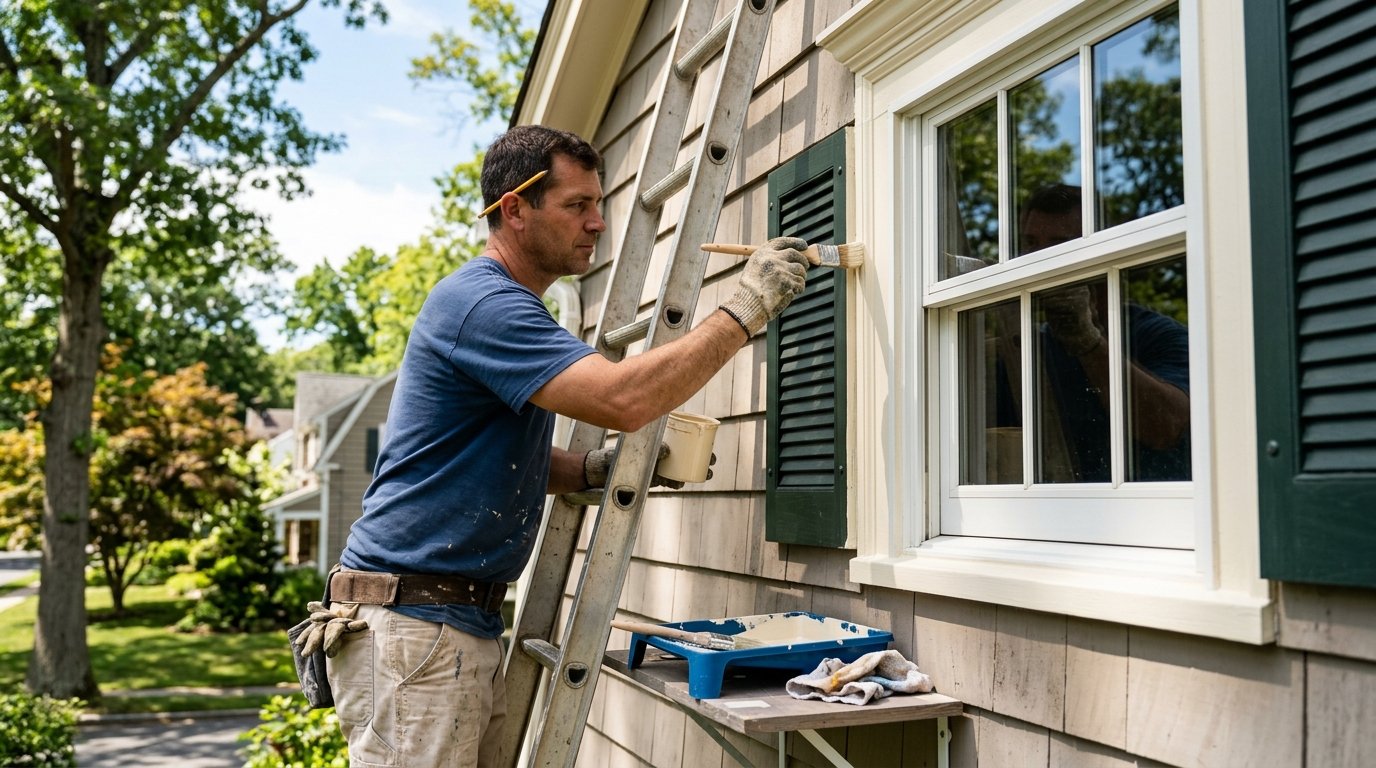
If you’re planning a full exterior refresh, it can also help to coordinate timing with other upgrades, like exterior painting projects that improve curb appeal, so your home’s outdoor surfaces age more evenly.
What Deck Staining Is (And What It Isn’t)
Deck staining is a protective coating system that penetrates into wood (especially with semi-transparent and transparent stains) or forms a thin protective layer (more common with solid stains). It is designed to reduce moisture intrusion and UV damage while improving the look of the wood grain or color.
It isn’t a structural repair. Stain won’t fix rotten joists, reverse wood decay, or correct unsafe railing connections. But it can delay those issues by reducing the moisture exposure that often causes them in the first place.
How Does Deck Staining Prevent Deck Replacement Near Suffolk County, NY?
Deck staining prevents premature deck replacement by reducing water absorption, limiting UV breakdown, and slowing the cracking and splitting that lets moisture reach deeper layers of wood. When your boards stay drier and more stable, they’re less likely to rot, cup, or loosen around screws and nails, which can help you avoid major rebuilds.
In practical terms, stain acts like a wearable shield. It takes the brunt of the sun and weather so your deck boards don’t have to. That’s a big reason homeowners focused on prevent deck replacement near Suffolk County, NY keep a consistent staining schedule instead of waiting until boards already feel spongy or splintered.
For homeowners mapping out seasonal care, our guide on pre-winter deck maintenance and the right time for sealing and staining is a helpful starting point.
What Happens If You Skip Staining for Too Long?
When decks go unstained (or the coating fails and isn’t refreshed), damage usually shows up in predictable stages. Catching it early can mean a maintenance project instead of a rebuild.
- Color fading and dry, “thirsty” wood that absorbs water quickly after rain
- Surface checking (small cracks), splinters, and rough grain
- Cupping/warping boards that hold puddles longer
- Fasteners backing out, wobbling rail posts, and soft spots near end grain
- Rot spreading to high-risk areas (stairs, ledger, rim joists, rail bottoms)
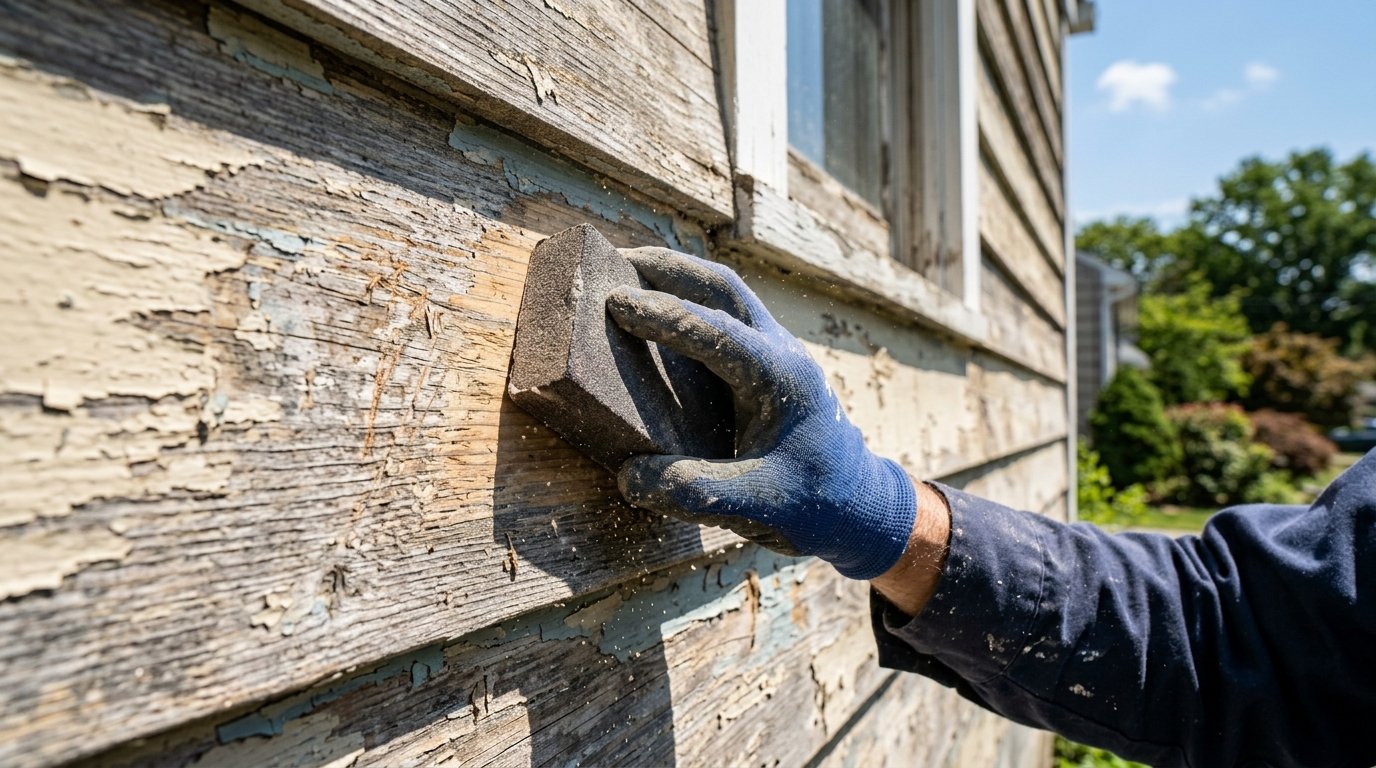
If you also notice peeling coatings or chalky residue, that can point to prep issues. The same principles that make paint last apply to decks too, so it’s worth understanding why proper surface preparation is the key to a long-lasting finish.
When Should You Stain a Deck in Nassau and Suffolk Counties?
Timing depends on weather, sun exposure, and how the deck is used, but most decks need periodic attention. A good rule is to assess annually and plan re-staining when water no longer beads on the surface or when the wood looks dry and uneven.
What’s the best season for deck maintenance near Long Island, NY?
Mild, drier weather is usually ideal because stain needs time to penetrate and cure. Many homeowners plan deck maintenance near Long Island, NY in spring or fall to avoid extreme heat and to prep for heavy-use seasons.
If you want a step-by-step way to check your deck after winter, follow our spring deck inspection checklist for Long Island homeowners to spot soft boards, popped fasteners, and early moisture damage.
How to Protect a Wood Deck Serving Queens, NY and Nearby Areas
To protect wood deck serving Queens, NY neighborhoods (and similar coastal, high-humidity zones), focus on controlling moisture entry points. End grain, cracks, and horizontal surfaces take the most abuse.
- Keep gaps between boards clear so water can drain and airflow can dry the framing
- Seal exposed end cuts and pay extra attention to stair treads and rail caps
- Clean mildew and algae promptly so they don’t hold moisture against the wood
- Use furniture pads and avoid trapping wet planters directly on boards
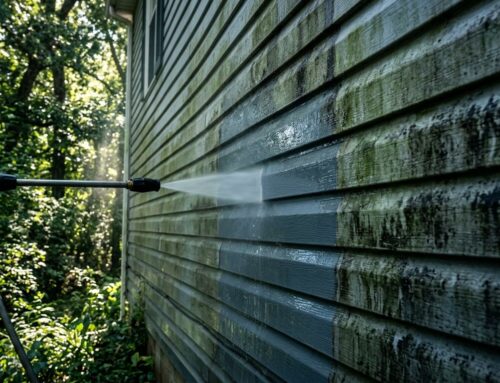
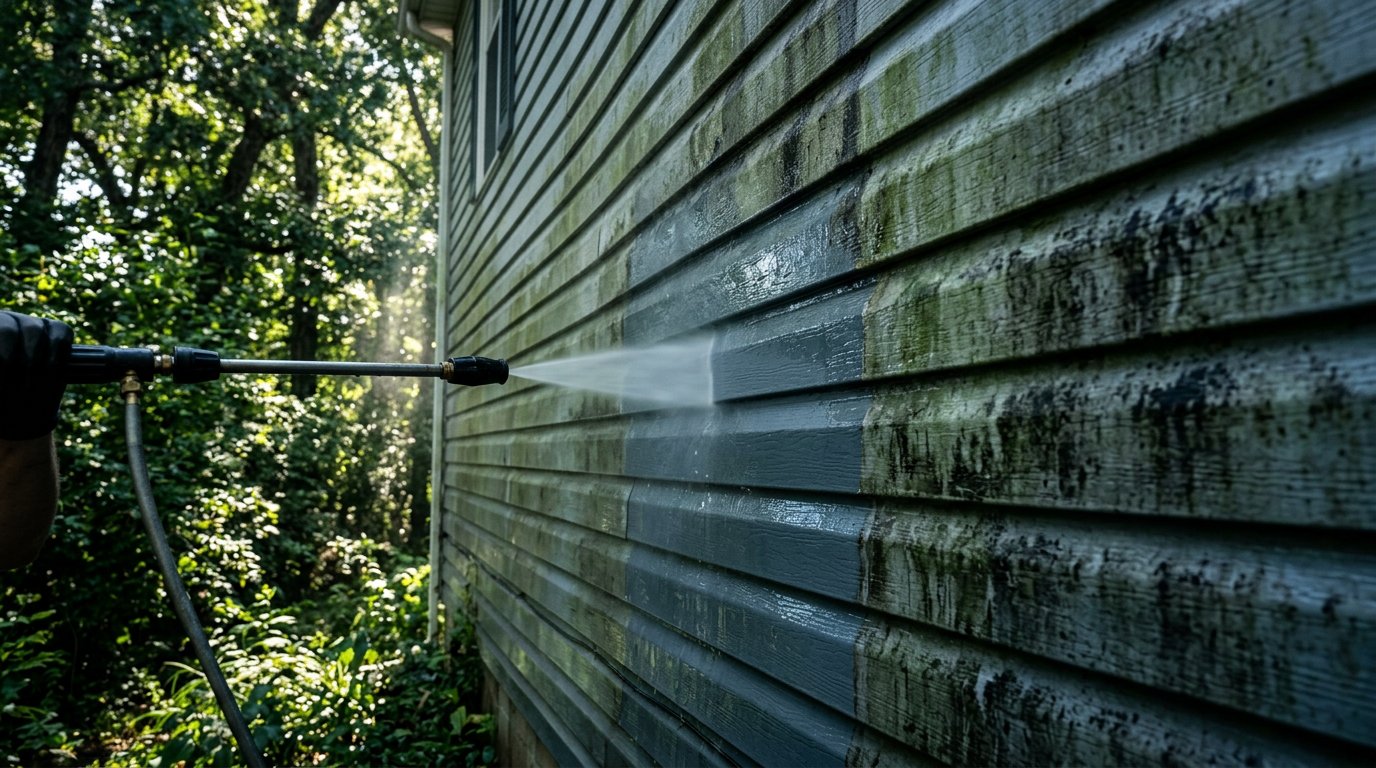
For many properties, washing is part of the maintenance cycle before staining. If you’re already planning exterior cleanup, it’s smart to pair deck care with a broader plan like seasonal power washing timing so surfaces are clean and ready for finishes.
What Kind of Stain Should You Use for Deck Care Near Brooklyn, NY?
Deck care near Brooklyn, NY often comes down to matching the product to the deck’s condition and the look you want. There isn’t one “best” stain for every deck, but there are reliable guidelines.
Choosing between transparent, semi-transparent, and solid stains
- Transparent: shows the most wood grain, offers less UV hiding power, needs more frequent maintenance
- Semi-transparent: balanced look and protection, common choice for decks in good condition
- Solid: best at hiding imperfections and color variation, useful for older decks with cosmetic wear
If your deck has older coatings, peeling, or patchy areas, stain selection and prep become more important. In many cases, professional help reduces the risk of adhesion problems and uneven appearance, especially when you’re trying to align the deck finish with other exterior improvements.
Why Prep Work Is the Difference Between “Stain That Lasts” and “Stain That Fails”
Most staining problems are really prep problems. Stain can’t bond well to dirt, mildew, failing coatings, or slick surfaces. And if the wood is still wet, the stain may not penetrate correctly.
What does proper deck prep usually include?
- Clearing and protecting nearby landscaping
- Cleaning to remove grime, algae, and mildew
- Addressing loose fasteners and minor board issues before coating
- Allowing adequate dry time before staining
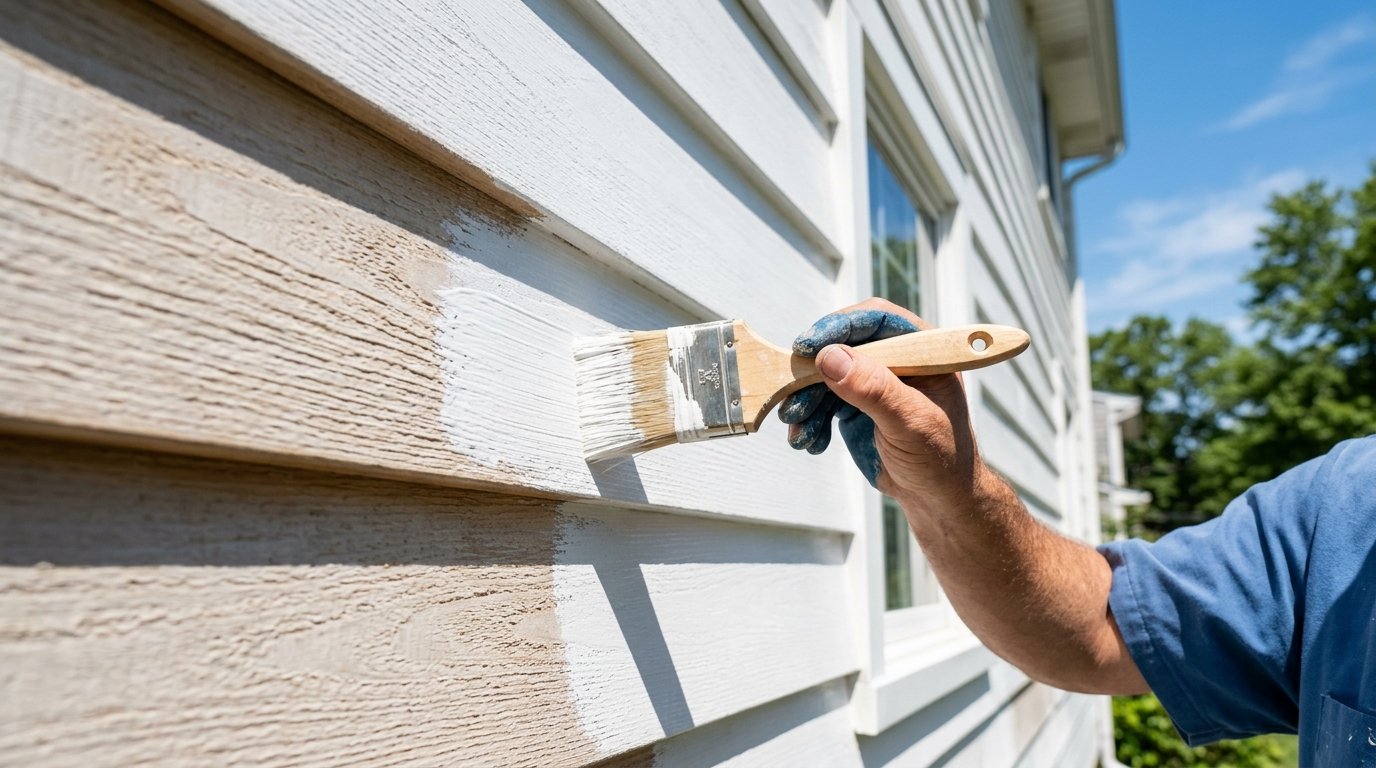
- Applying stain evenly and back-brushing when needed
When homeowners ask why one deck still looks good after a few seasons while another peels quickly, the answer is usually in the prep and application method. If you want to see how that same idea applies indoors, our breakdown of the importance of prep work in a perfect paint job explains why surface readiness is everything.
When Should You Call a Professional Instead of DIY?
DIY can work for small, straightforward decks, but it’s easy to miss early warning signs that drive expensive repairs later. Consider professional help if you see:
- Soft spots, spongy boards, or suspicious dark staining around fasteners
- Loose rails, unstable stairs, or visible framing issues
- Peeling from a prior coating that may require special removal steps
- Large square footage or multiple levels where consistency is hard to maintain
If your deck is part of a larger project list, it can be helpful to look at all options in one place on our home improvement and painting services page.
Frequently Asked Questions About Deck Staining Serving Nassau County, NY
How often should deck staining serving Nassau County, NY be done?
It depends on sun exposure, foot traffic, and the type of stain used. Many homeowners reassess yearly and re-stain when water stops beading or the surface looks dry and faded. Regular checks help you plan maintenance before you’re forced into board replacements or larger repairs.
Will staining fix splintering or cracked deck boards?
Stain can reduce future cracking by slowing moisture swings, but it won’t “heal” boards that are already splitting or badly splintered. Light sanding and replacing damaged boards may be needed first. Once the surface is sound, staining helps protect the repaired areas and keep new damage from spreading.
Is power washing always required before staining?
Not always, but the deck does need to be clean and free of mildew, dirt, and failing finish. Some decks do well with gentle washing and rinsing, while others need more involved cleaning. The key is avoiding damage from excessive pressure and allowing enough dry time before applying stain.
What are signs you’re close to needing a deck replacement?
Repeated soft spots, widespread rot, loose rail posts, and structural movement are bigger red flags than fading color. If fasteners won’t hold, boards feel spongy, or framing looks compromised, staining alone won’t solve it. A professional assessment can help determine whether repairs are safe or replacement is more cost-effective.
Protect Your Deck Before Small Problems Become Big Repairs
If you want deck staining serving Nassau County, NY handled with careful prep and a finish built to last, we can help you plan the right approach for your home and schedule. Learn more about our deck staining services in NY, explore where we work on our service areas page, and then request pricing through our estimate page.
For questions or to set up an onsite appointment, call Purely Paint at (516) 835-5880 or reach out through our contact page to get your deck protection plan started.

Leave A Comment