
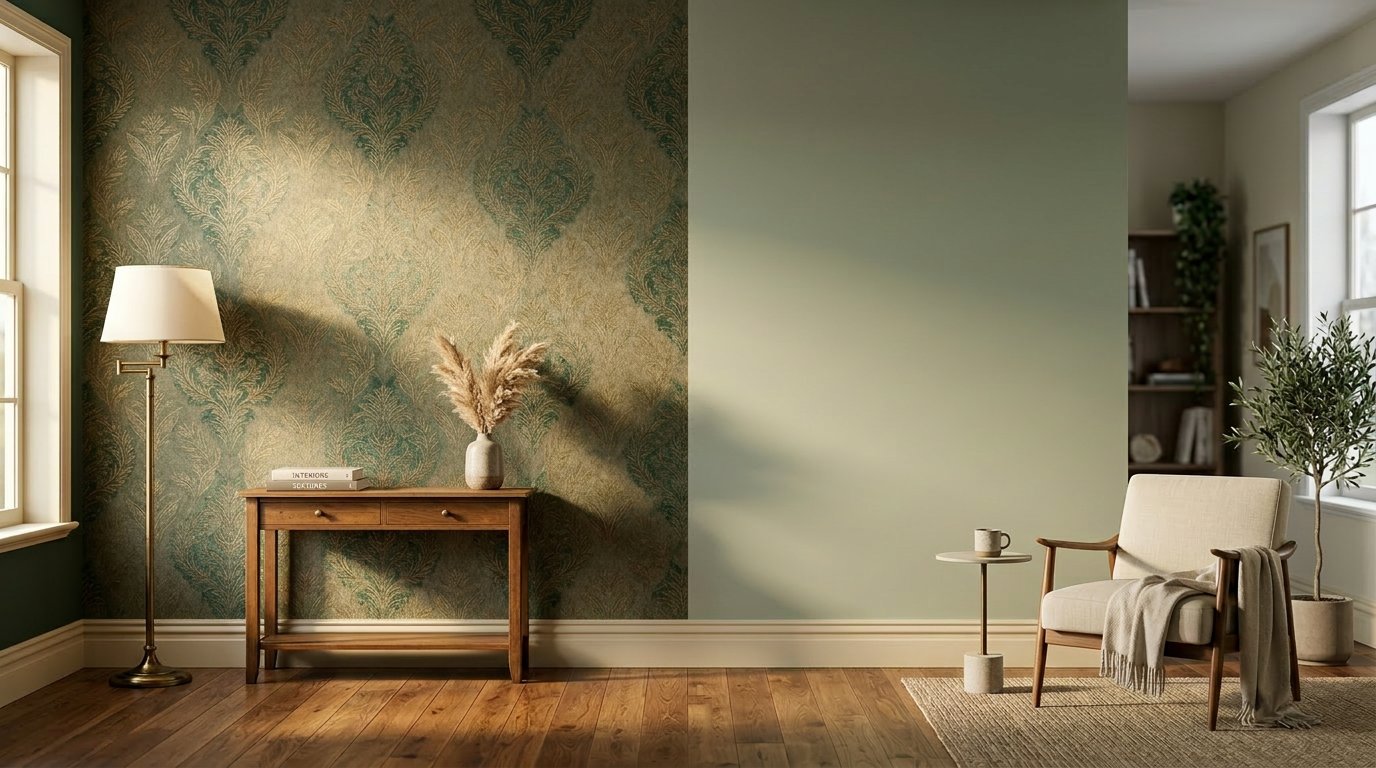
Choosing between wallpaper vs. painted walls can feel simple until you start thinking about durability, maintenance, and the look you want long-term. Below, we break down the real-world pros and cons of each option and how to decide based on your home, your lifestyle, and the condition of your walls.
If you’re in Nassau County or Suffolk County, New York (or nearby areas like Queens and Brooklyn), these tips can help you avoid common mistakes and get a finish that looks great for years.
Wallpaper Vs. Painted Walls: What’s the Big Difference?
Wallpaper vs. painted walls comes down to how the finish is created and how it behaves over time. Paint is a liquid coating that cures into a washable film, while wallpaper is a patterned or textured material adhered to the wall with paste or adhesive.
Both can look high-end. The better choice depends on factors like wall condition, moisture levels, how often the room gets used, and how much you want to change the look in the future.
Which Is More Durable: Wallpaper Or Painted Walls?
In many homes, wallpaper can be more scuff-resistant than standard flat paint, especially in hallways and kids’ rooms. But paint can be easier to touch up and refresh in high-traffic areas, particularly when you use quality products and the right sheen for the space.
If durability is your priority, the “best” option often depends on the room:
- High-traffic spaces: Wallpaper hides minor dings and fingerprints well, but repairs can be noticeable if you don’t have extra rolls.
- Living rooms and bedrooms: Either works; paint gives quick refreshes, wallpaper delivers standout design.
- Kitchens and baths: Paint is usually simpler, while wallpaper needs careful product selection and proper installation to handle humidity.
What Are The Pros And Cons Of Wallpaper Vs. Painted Walls?
Wallpaper vs. painted walls is really a tradeoff between design impact and flexibility. Wallpaper can create instant texture and pattern that paint can’t always replicate, while paint is typically faster to update and easier to spot-repair.
Wallpaper Pros
- Big design impact (patterns, textures, grasscloth looks, murals)
- Can disguise minor wall imperfections better than paint
- Often holds up well to scuffs in busy areas
Wallpaper Cons
- More steps to install correctly (measuring, seams, adhesives)
- Removal can be time-consuming if it’s older or poorly installed
- Moisture and temperature swings can cause lifting if not properly prepped
Paint Pros
- Easier color changes and faster updates
- Simple touch-ups for small scuffs or nail holes
- Wide range of finishes (matte to semi-gloss) for different rooms
Paint Cons
- Shows wall flaws more easily, especially with sheen
- May scuff in high-traffic areas if the wrong finish is used
- Bold design effects often require techniques beyond standard rolling
How Do You Decide Between Wallpaper Vs. Painted Walls For Each Room?
If you’re stuck between wallpaper vs. painted walls, start by matching the finish to the room’s purpose and wear-and-tear. The “right” answer for a formal dining room is not always the right answer for a stairwell.
Bedrooms
Paint is great for calm, flexible color palettes. Wallpaper is ideal for an accent wall behind the bed or a feature wall that adds texture without overwhelming the room. If you’re considering professional hanging, our wallpaper installation services help ensure clean seams and a smooth, tailored look.
Hallways, Stairwells, And Entryways
These areas get bumped, brushed, and marked up. Wallpaper can hide minor imperfections, but paint makes future touch-ups easier. If walls are already rough, addressing the surface first matters more than the finish itself.
Kitchens And Bathrooms
Moisture changes everything. Paint is usually the simpler path. If you want wallpaper, choose products designed for humidity and make sure the wall is properly sealed and prepared before installation.
Nurseries And Kids’ Rooms
Paint wins for easy future changes as kids grow. Wallpaper can still work well as one accent wall where it’s less likely to take direct hits.
Is Wallpaper Or Paint Easier To Maintain Over Time?
Paint is usually easier to maintain because you can wash it (with the right finish) and do small touch-ups without replacing a whole section. Wallpaper can be durable, but if it tears or lifts, repairs may stand out unless you have matching material from the same batch.
One practical tip: if you love wallpaper, consider using it where it’s less likely to be damaged (powder rooms, dining rooms, adult bedrooms) or as a single statement wall.
When Does Wall Prep Matter Most For Wallpaper Vs. Painted Walls?
It always matters, but wallpaper is less forgiving of bad prep. Paint can sometimes “hide” small issues in lower-sheen finishes, while wallpaper can telegraph bumps, loose areas, and uneven patches—especially with glossy or thin materials.
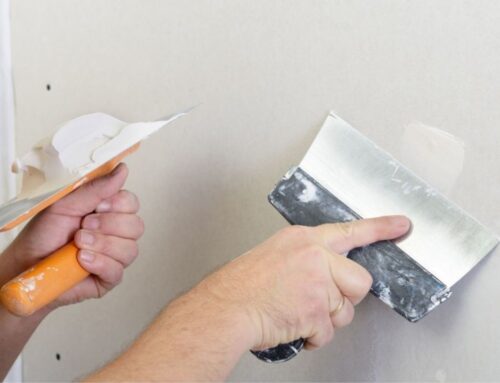
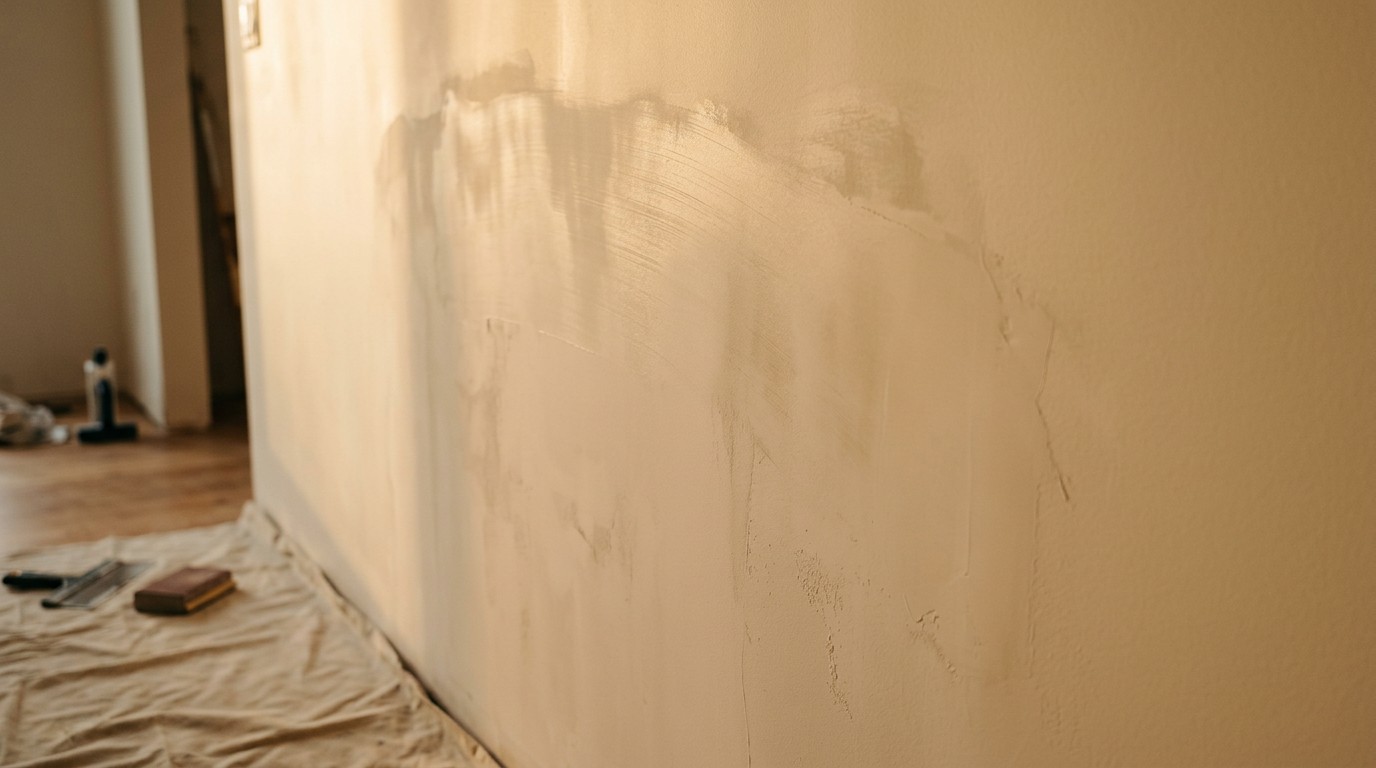
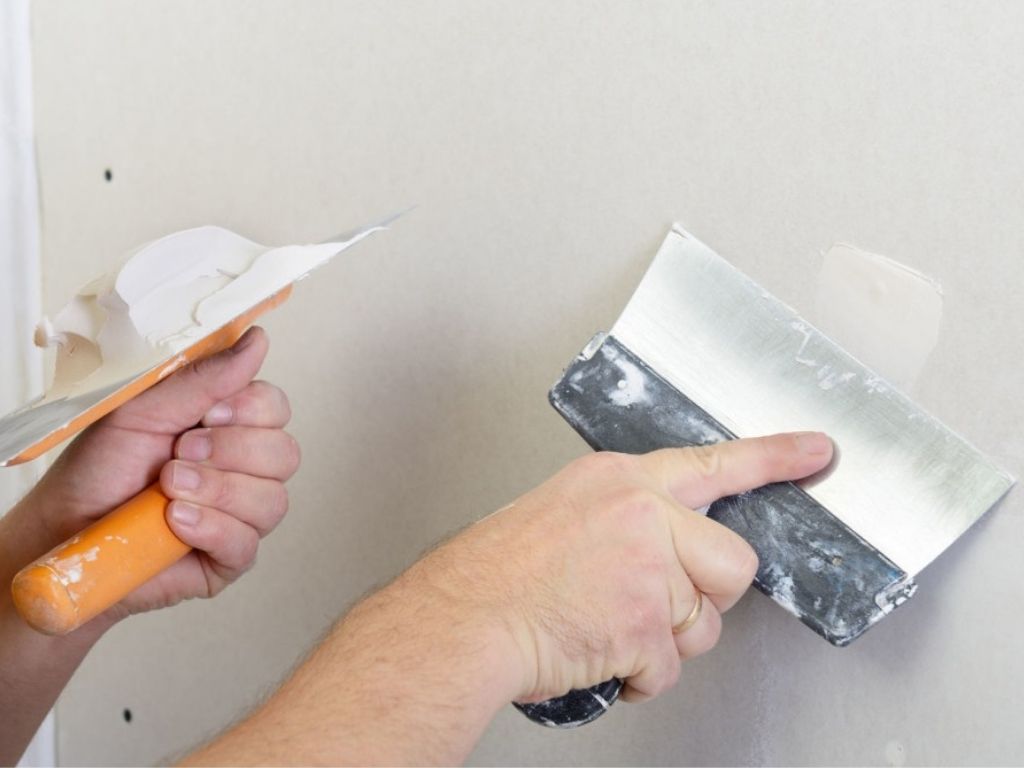
If your walls have dents, tape lines, water stains, or uneven texture, fixing the surface first will improve either finish. In many homes, sheetrock and drywall repair is the step that makes the final result look truly professional.
What If You’re Replacing Old Wallpaper With Paint?
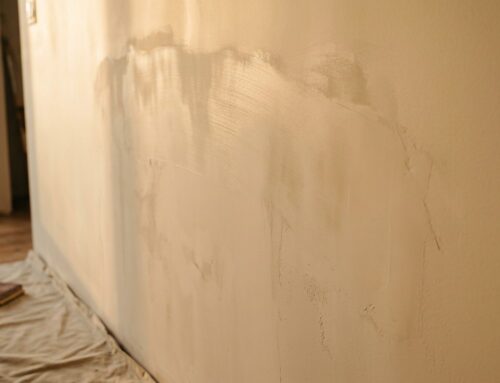
Removing wallpaper is often the hardest part of the entire makeover, and rushing it can lead to torn drywall paper, gouges, and lingering adhesive that ruins paint adhesion. The goal is a clean, stable surface that can be skimmed, primed, and painted evenly.
How Do You Prep A Room For Wallpaper Removal And New Paint?
The most reliable approach is to protect floors and furniture, test how the wallpaper is adhered, remove it carefully, clean off all paste, then repair and prime the wall before painting. Skipping the adhesive-removal step is a common reason paint peels or looks blotchy later.
If you want a step-by-step overview, our guide on how to prep your home for wallpaper removal and new paint covers what to plan for before the first sheet comes off.
Design Impact: What Paint Can’t Do That Wallpaper Can (And Vice Versa)
Wallpaper shines when you want instant character—think linen textures, bold prints, metallic accents, or a mural effect. Paint shines when you want subtlety, easy coordination, and simpler updates as styles change.
Many homeowners get the best of both by combining them:
- Wallpaper on one focal wall, paint on the rest
- Wallpaper above wainscoting, paint below
- Painted walls paired with upgraded trim details for a finished look
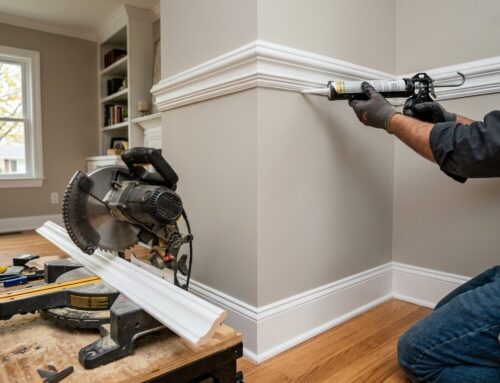
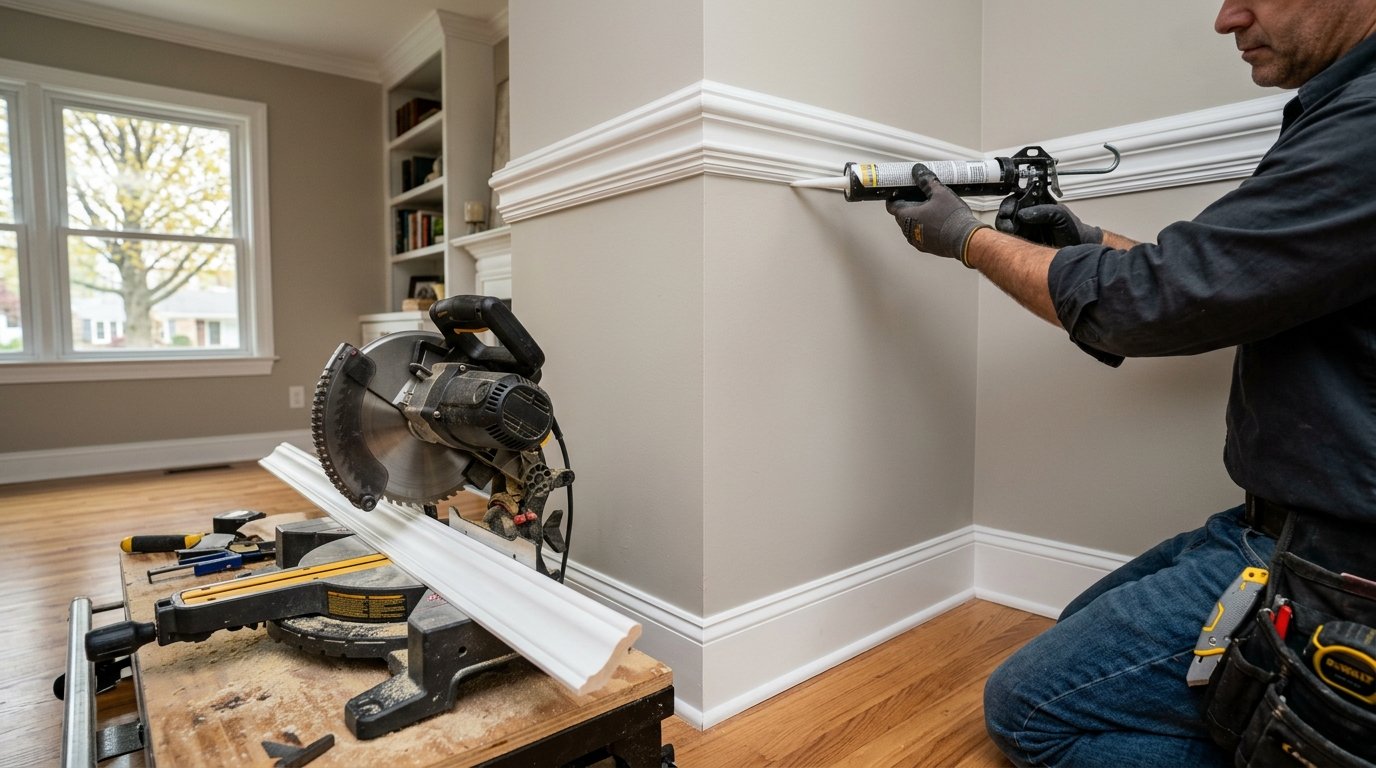
For a more tailored interior, adding trim can make either option feel more custom. Our molding installation services are a popular next step after a wall refresh because clean lines and crisp edges elevate the whole room.
Cost Considerations: What Typically Drives The Price?
Pricing varies widely, but the biggest cost drivers are usually labor and wall condition, not just materials. Wallpaper materials can be more expensive than paint, but paint projects can also add cost if there’s extensive patching, sanding, priming, or multiple coats.
In either case, you’ll get better value by focusing on:
- Surface prep (repairs, skim coating where needed, proper priming)
- Choosing the right product for the room (washable finishes, humidity resistance)
- Planning for long-term maintenance (touch-ups vs. replacement)
Frequently Asked Questions About Wallpaper Vs. Painted Walls
Is wallpaper a good idea on textured walls?
Usually not without prep. Wallpaper tends to highlight texture, and seams can become more visible on uneven surfaces. If you’re set on wallpaper, smoothing the wall first (often with repair or skim coating) creates a flatter base so the paper bonds well and the finish looks clean.
Can you paint over wallpaper instead of removing it?
Sometimes, but it’s risky. Paint can reactivate adhesives, and seams may show through, especially under certain lighting. If you want the best long-term result, wallpaper removal plus surface prep is typically more reliable than painting over existing wallpaper.
What paint finish works best if you’re choosing painted walls over wallpaper?
For most living spaces, eggshell or satin balances washability and a softer look. Bathrooms and kitchens often do better with satin or semi-gloss due to moisture and cleaning. The right primer and prep matter just as much as sheen for a smooth, even finish.
What’s better for resale: wallpaper or painted walls?
Neutral painted walls are usually the safest for broad appeal, because buyers can picture their own style easily. That said, well-chosen wallpaper in smaller doses (like a powder room or a single accent wall) can feel upscale and memorable when it’s professionally installed.
If you’re weighing wallpaper vs. painted walls and want help choosing what will look best in your space, we can walk through options based on your walls, lighting, and timeline. Request a free estimate through our online estimate page or reach us directly at (516) 835-5880. If you prefer, you can also message us anytime via our contact page.

Leave A Comment