
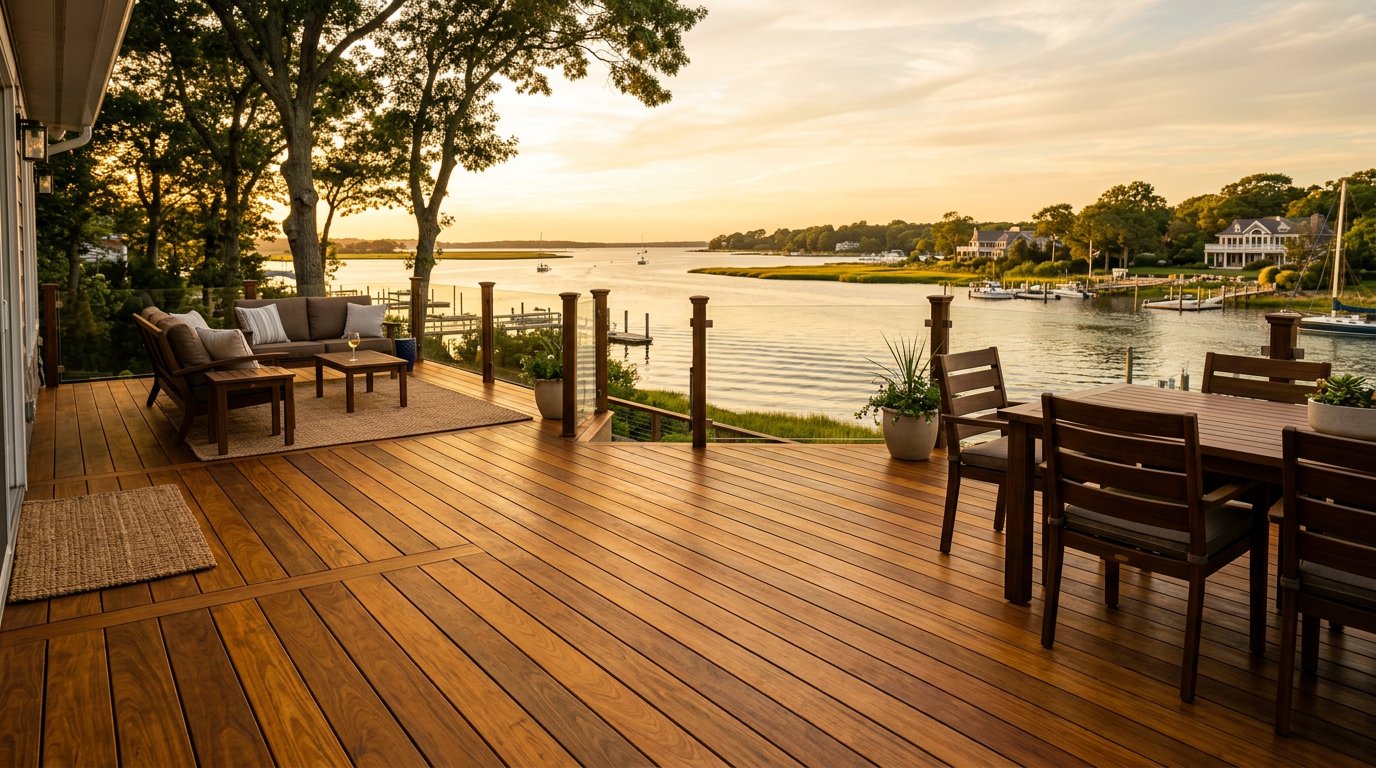
Finding the right deck stain near Long Island, NY isn’t just about color—it’s about choosing a finish that can handle sticky summer humidity, salty coastal air, and freezing winter swings. In this guide, we’ll break down what actually matters so your deck looks great and lasts longer with fewer surprise repairs.
We’ll cover stain types, durability factors, and practical application tips for Nassau County and Suffolk County homeowners (plus considerations if you’re closer to Queens or the South Shore).
Why Long Island Weather Makes Deck Stain Selection Trickier Than You Think
Long Island decks deal with a tough combination: moisture that lingers in summer, strong sun that fades color, and winter freeze-thaw cycles that stress wood fibers. Add in coastal salt and wind-driven rain, and the wrong stain can peel, spot, or wear through fast.
If you’re already planning broader exterior upgrades, it helps to coordinate timelines with other projects like power washing and painting. Many homeowners start by reviewing overall options on our services page before scheduling deck work.
What Is Deck Stain, And How Is It Different From Paint Or Sealers?
Deck stain is a protective wood finish that soaks into the surface (to varying degrees) to add color while helping repel water and reduce UV damage. Unlike many exterior paints that form a thick film on top, stain is designed to highlight wood grain and wear more naturally over time.
In Long Island’s climate, that “wear pattern” matters. A finish that fades gradually is often easier to maintain than one that peels in sheets after a wet spring.
How Do You Select The Best Deck Stain Serving Long Island, NY?
The best deck stain serving Long Island, NY is usually the one that matches your deck’s current condition, sun exposure, and moisture level—then gets applied over properly prepped wood. For many homes, a quality penetrating or semi-transparent stain offers a strong balance of natural look and weather resistance, especially when paired with correct cleaning and dry time.
Before choosing a product, it helps to understand how staining protects the wood itself. Our article on how deck staining protects wood decks in Nassau County NY explains what stain is actually doing against moisture and sun, and why prep is as important as the label.
Here’s the decision framework we recommend:
- Start with deck condition: newer wood vs. weathered, splintering, or previously coated boards
- Check exposure: full sun, partial shade, or heavy tree cover (mildew risk rises in shade)
- Decide on look: clear/natural vs. more color coverage
- Match stain type to goals: longevity, ease of maintenance, slip resistance, and grain visibility
Picking A Weather-Resistant Deck Stain Near Suffolk County, NY: What To Look For
If you’re searching for a weather-resistant deck stain near Suffolk County, NY, focus on performance traits—not marketing buzzwords. In coastal or high-humidity pockets (think near bays and inlets), moisture resistance and mildew control become especially important.
Look for:
- Water repellency that’s designed for horizontal surfaces (decks take more abuse than siding)
- UV protection to slow fading and graying in sunny yards
- Mildew resistance for shaded decks or areas with poor airflow
- Compatibility with your wood type (common: pressure-treated pine, cedar, mahogany)
Also consider timing. Staining too late in the season can create curing problems before cold nights arrive. Our guide on pre-winter deck maintenance and the right time for sealing and staining is helpful if you’re planning work in the fall.
Oil-Based vs. Water-Based Deck Stains: Which Is Better For Humidity?
Both can work well when used correctly, but they behave differently in Long Island conditions.
Oil-based stains (penetrating)
- Often penetrate deeper, which can help with water resistance
- Can be forgiving on slightly weathered wood
- Typically require longer dry time and careful application planning
Water-based stains (fast-drying)
- Dry faster, which can help when weather windows are tight
- Often hold color well and resist fading
- Can be less forgiving if the deck isn’t cleaned and dried thoroughly
For humid summers, the “better” choice usually comes down to prep and moisture content. If boards are holding moisture (from shade, sprinklers, or recent rain), even a premium stain can fail early.
Should You Use Transparent, Semi-Transparent, Or Solid Stain On A Long Island Deck?
This is one of the most important appearance-and-longevity decisions you’ll make.
- Transparent stains: show the most wood grain but offer the least UV protection; best for newer decks and frequent maintenance
- Semi-transparent stains: a popular middle ground; adds color while still showing grain
- Solid stains: look closer to paint; best for older decks with uneven color or patched boards, but prep is critical to avoid peeling
If your deck has old coating failures, cracked boards, or heavy wear patterns, the “best-looking” stain type might not be the “longest-lasting” unless repairs are handled first. The same principle shows up in indoor projects too—surface condition drives finish quality, which is why good prep matters across the board (our post on the importance of prep work in a perfect paint job explains it well).
Deck Staining Tips Serving Nassau County, NY: Prep Steps That Make Or Break Results
Deck staining tips serving Nassau County, NY usually start with prep because Long Island’s humidity magnifies every shortcut. If stain goes on over dirt, mildew, or leftover failing coating, it won’t bond evenly—leading to blotchy color and early wear.
We recommend these core steps:
- Clear the deck and protect nearby landscaping.
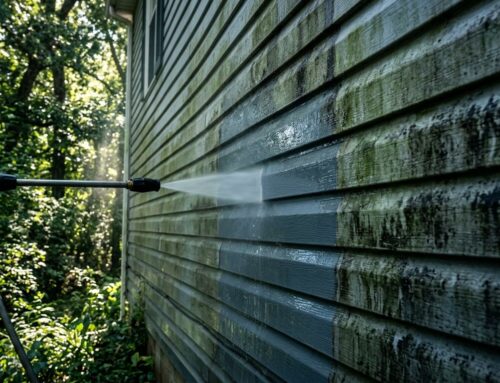
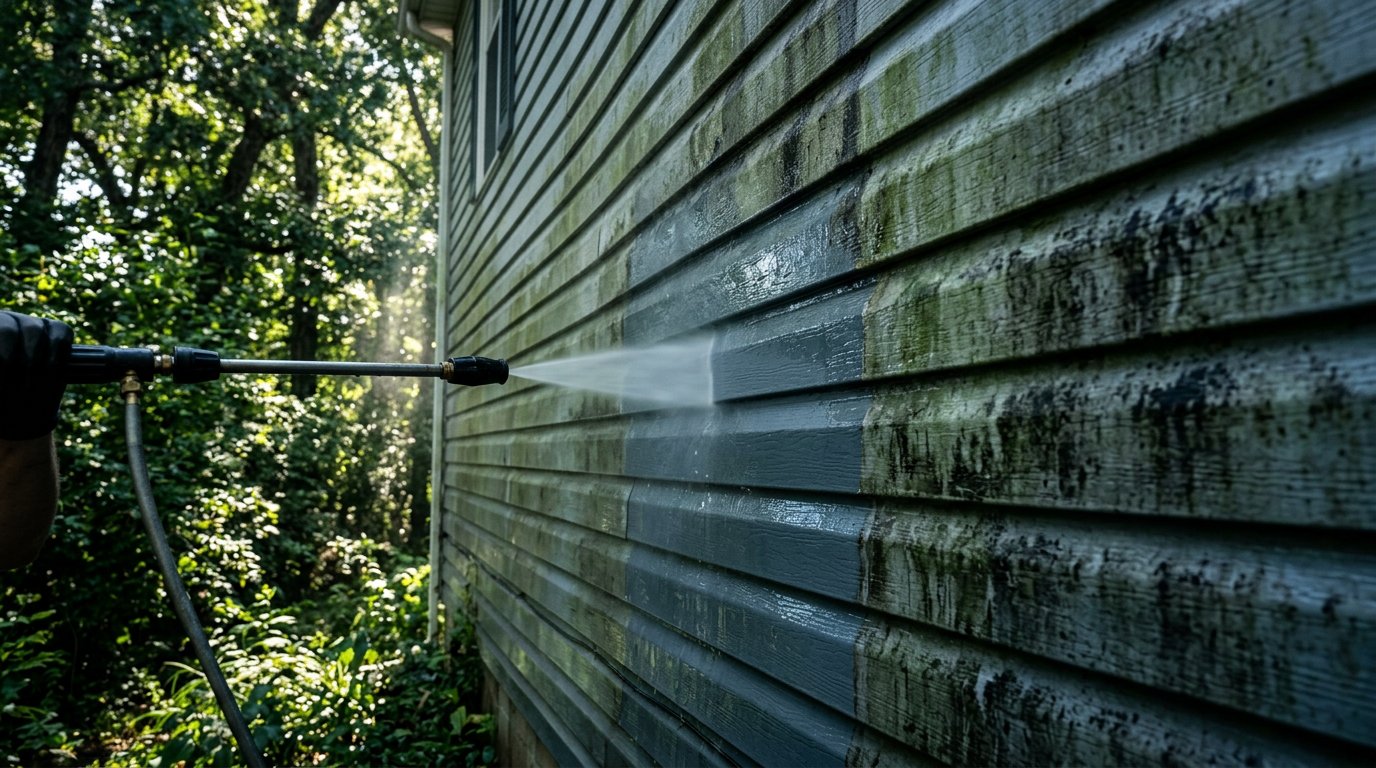
- Clean thoroughly (often including power washing, done correctly to avoid gouging wood).
- Remove mildew and algae where present.
- Let the deck dry fully—many problems come from staining too soon.
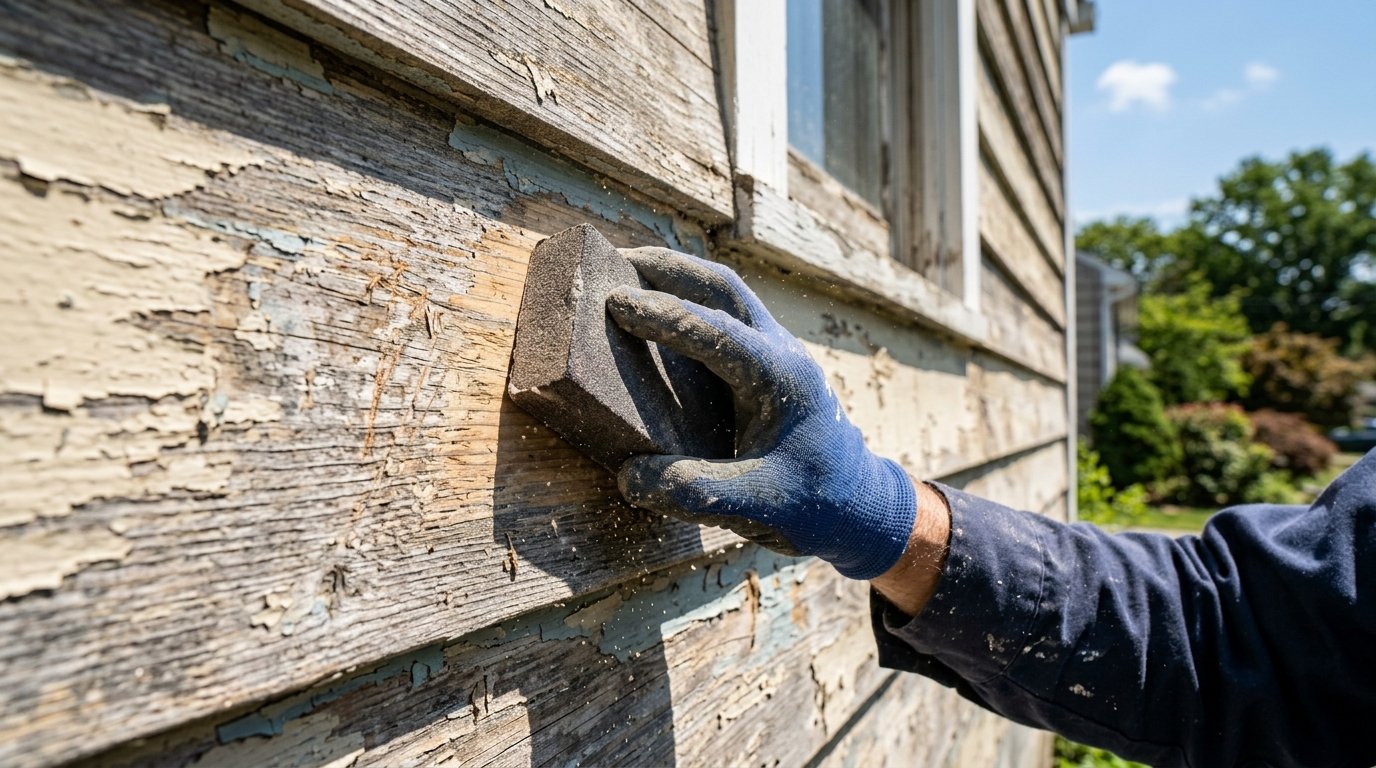
- Sand rough areas and feather peeling edges if there was an older coating.
- Spot-repair damaged boards before staining.
If you’re planning a deeper seasonal reset, it can help to pair staining with an inspection routine like the spring deck inspection checklist for Long Island homeowners, especially after winter expansion and contraction.
How Often Should You Re-Stain A Deck On Long Island?
Most Long Island decks need re-staining every 2–4 years, depending on sun exposure, foot traffic, and stain type. Transparent finishes often need more frequent refreshes, while more pigmented stains can last longer if prep and application were done right.
Instead of following a strict calendar, watch for signs your finish is wearing down:
- Water no longer beads on the surface
- Color looks washed out or uneven
- High-traffic areas look dry, fuzzy, or splintery
- Dark spots in shady corners (possible mildew)
What If You Need High-Quality Deck Stain Near Queens, NY?
If you’re looking for high-quality deck stain near Queens, NY, you’ll typically want a product that handles heavier use (more foot traffic, grilling, gatherings) plus strong UV resistance on exposed rooftops, balconies, or compact backyards with reflected heat.
Just remember: “high-quality” isn’t only about buying a premium label. It’s also about correct cleaning, moisture testing, and applying the right amount—too thin wears quickly, too heavy can get tacky or fail to cure.
When It’s Smarter To Call A Pro For Deck Staining
DIY staining can go well on a small, simple deck with good access and predictable weather. But professional help is worth considering when:
- The deck has an unknown previous coating (oil vs. water vs. solid)
- You see peeling, widespread graying, or patchy absorption
- Boards need repair, sanding, or replacement before finishing
- You want consistent color across rails, steps, and multiple levels
If you’d like help planning the right approach, start with our deck staining services NY page to see what a professional process typically includes, from prep through final coat.
Get A Longer-Lasting Finish With The Right Stain And The Right Prep
Choosing the right deck stain near Long Island, NY comes down to matching stain type and opacity to your deck’s condition, then executing prep carefully so the finish can actually do its job. If you want a professional eye on what your deck needs this season, we’re here to help.
Call Purely Paint at (516) 835-5880 to talk through options, or request pricing with a free estimate. If you have questions about scheduling or service areas across Nassau County, Suffolk County, Queens, and beyond, you can also reach us through our contact us page.
Common Questions About Choosing Deck Stain For Long Island Weather
Is a penetrating stain better for Long Island decks than a film-forming coating?
Penetrating stains are often a strong choice on Long Island because they soak into the wood and typically wear by fading instead of peeling. That can be easier to maintain after humid summers and freeze-thaw winters. The best option still depends on deck condition, sun exposure, and whether an older coating is present.
Can you stain a deck in summer humidity on Long Island?
Yes, but timing matters. Summer humidity can slow drying and trap moisture in boards, which may cause uneven absorption or tacky curing. Aim for a dry weather window, avoid staining right after rain or power washing, and follow manufacturer guidance for temperature and dry-time between coats.
What’s the biggest mistake homeowners make when choosing the best deck stain serving Long Island, NY?
The biggest mistake is choosing by color alone and ignoring prep and compatibility. If an existing coating is failing or the wood is damp, even the best deck stain serving Long Island, NY can fail early. Clean, dry wood and the right stain type for your surface matter more than the label claims.
Do I need to power wash before staining every time?
Not always, but you do need a clean surface. Light maintenance coats may only need gentle washing and brightening, while neglected decks often need more aggressive cleaning. Improper power washing can damage wood fibers, so use the right pressure and tip—or consider professional prep for a smoother finish.

Leave A Comment