
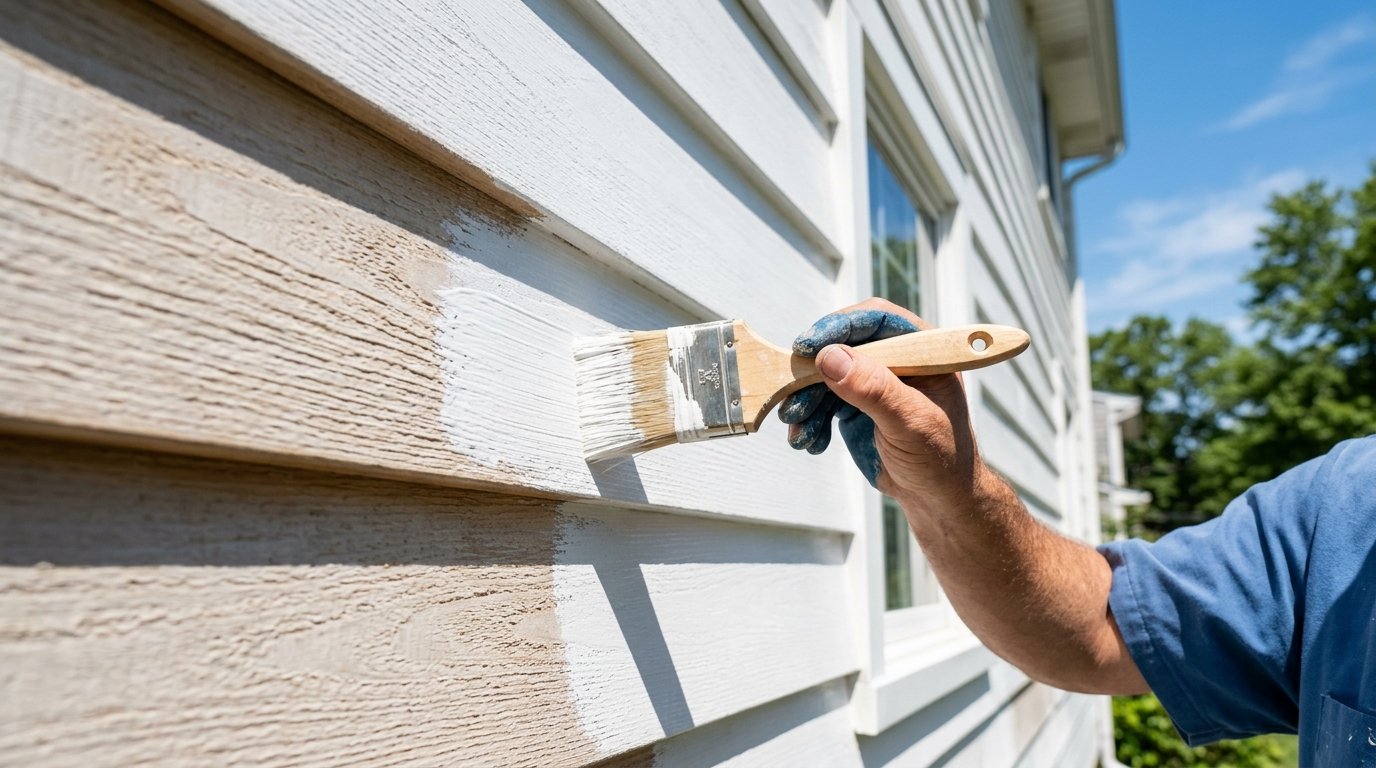
Getting exterior painting timing right is one of the biggest factors in how long your finish will last. On Long Island, NY, temperature swings, humidity, and coastal weather can change quickly, so choosing the right window matters just as much as choosing the right color. Below, we’ll break down the optimal weather for painting and how to plan around real-life schedules in Nassau and Suffolk County.
Why Exterior Painting Timing Matters More Than Most Homeowners Expect
Exterior paint doesn’t just “dry,” it cures. That curing process is heavily affected by weather conditions for painting, especially temperature, moisture, wind, and direct sun. When conditions are off, paint can dry too fast, stay tacky too long, or fail to bond properly to the surface.
That’s why good planning pairs the right season with the right prep work. If you’re also planning other upgrades (like repairs or washing), it helps to coordinate everything through a single plan, starting with the scope on the services page.
What Is the “Optimal Weather for Painting” Outside?
Optimal weather for painting is a stable stretch of mild temperatures, lower humidity, and little to no rain—long enough for both drying and curing. For most exterior coatings, you want days that aren’t too hot, nights that aren’t too cold, and surfaces that are fully dry before the first coat ever goes on.
Even when the forecast looks good, exterior painting timing still needs a buffer. A surprise shower, heavy dew, or a sharp temperature drop overnight can affect sheen, adhesion, and durability.
When Is the Best Time to Schedule Exterior Painting Near Long Island, NY?
The best exterior painting timing for Long Island usually falls in late spring through early fall, when temperatures are more consistent and you’re less likely to get extended wet stretches. That said, the “best time” also depends on your home’s exposure (full sun vs. shade), siding material, and how close you are to salt air.
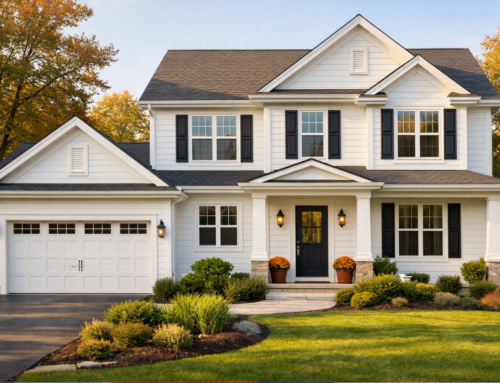
If you’re already thinking about curb appeal upgrades, you may also want to compare timing guidance in enhance your curb appeal with exterior painting, which covers how planning ties into results you can actually see from the street.
How far ahead should you plan?
For a painting project near Long Island, NY, it’s smart to start planning several weeks ahead, especially for late spring and early summer. These are high-demand months, and you’ll want flexibility to shift a few days if the forecast changes.
How Do Temperature and Humidity Affect Weather Conditions for Painting?
Temperature and humidity impact how paint levels out, how quickly it flashes (surface-dries), and whether it fully cures into a durable film. On humid days, moisture slows drying and can trap water under the coating. On hot, dry, windy days, paint can dry too fast and lose adhesion or look uneven.
- High humidity: slower drying, higher risk of surfactant leaching and dull spots
- Cold nights: slower curing and a higher chance of condensation on the surface
- Hot direct sun: can cause lap marks, premature drying, and poor leveling
- Wind: increases debris sticking to wet paint and speeds drying unpredictably
If you’re trying to extend the life of your finish, surface prep matters as much as the forecast. It can help to review how professional surface prep makes or breaks a paint job before you lock in your dates.
How Many Dry Days Do You Need for an Exterior Painting Project?
Most exterior projects need multiple dry days in a row, because you’re not just painting—you’re washing, drying, prepping, priming, and then applying one or more coats. A safe plan includes at least a few consecutive rain-free days, plus dry nights with minimal dew risk.
As a simple rule, if you can’t keep the surface dry long enough for each layer to set properly, your exterior painting timing is too tight. This is also why many homeowners schedule washing first, then painting a few days later.
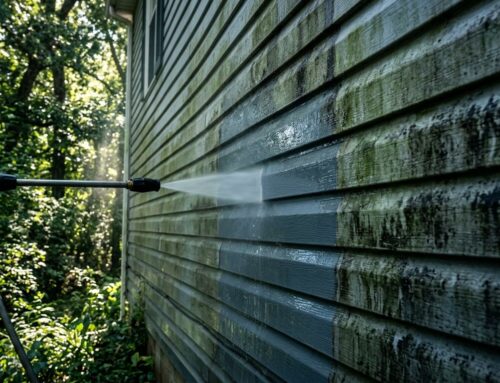
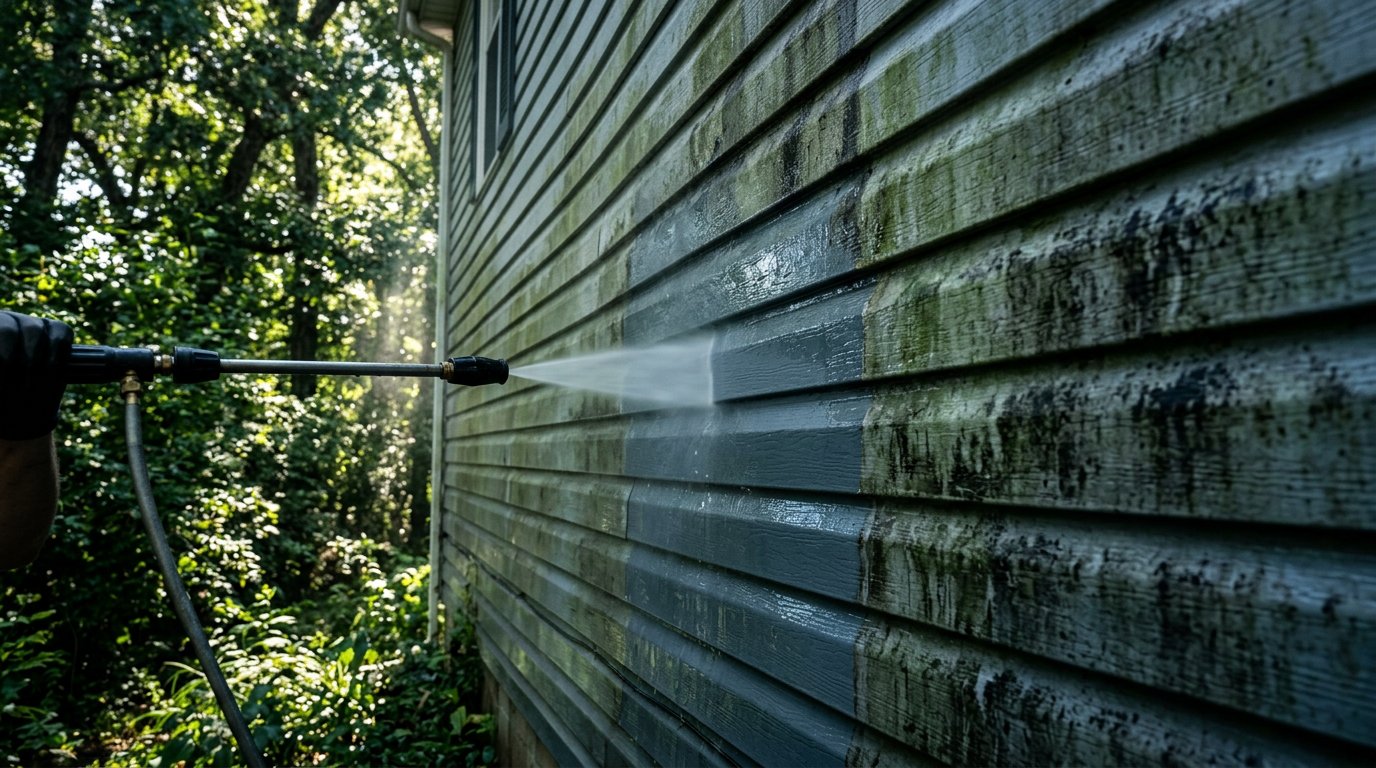
For homeowners planning cleaning first, why June is the perfect time to power wash your home explains how seasonal conditions can help or hurt the prep stage.
What Should You Do If Rain Is in the Forecast During Your Painting Window?
If rain is forecast, the safest move is to adjust the schedule so you’re never applying paint to a surface that could get wet before it’s ready. Even if the rain holds off, high moisture in the air and morning dew can still create problems.
Here’s a practical way to think about it:
- If it rained recently: wait until the substrate is fully dry (wood and porous surfaces hold moisture longer)
- If rain is expected tonight: avoid late-day painting on surfaces that won’t have time to set
- If the forecast is uncertain: prioritize prep tasks first, then paint when the window is clearer
Planning this way is especially important for exterior painting serving Suffolk County, NY, where coastal weather shifts can be fast and localized. If you’re in an area with more shade, trees, or morning dampness, you may need a longer dry-out period than the forecast suggests.
Which Season Is Best for Exterior Painting Serving Suffolk County, NY?
In many cases, late spring and early fall are ideal because temperatures are milder and the sun is less intense than midsummer. Those seasons can offer a better balance of drying and curing, especially when you’re painting large, exposed walls.
Summer can still work well, but your exterior painting timing may need to account for heat, strong sun, and afternoon storms. If you’re looking for seasonal cues specific to the area, why spring is the best time for exterior paint touch ups is a helpful companion read.
How do coastal conditions change the plan?
Salt air, higher humidity, and stronger winds near the water can shorten open working time and increase surface moisture. In those areas, it’s even more important to use the right prep steps and choose a schedule with stable weather conditions for painting.
How Can You Tell It’s Time to Repaint, Even If the Weather Window Is “Perfect”?
A great forecast won’t fix failing paint underneath. If you’re seeing peeling, blistering, heavy fading, chalking, or exposed wood, your home may need repairs and prep before any new coating goes on.
If you’re unsure whether it’s a timing issue or a surface issue, how to know when its time to repaint your homes exterior walks through common signs and what they typically mean.
Planning Checklist: Exterior Painting Timing for a Smooth, Low-Stress Project
Use this checklist to line up the right days and reduce last-minute changes:
- Pick a 1–2 week target window (not just a single day)
- Watch overnight lows as closely as daytime highs
- Plan prep first (washing, scraping, sanding, repairs)
- Schedule around shade and sun exposure on each side of the home
- Leave buffer days for unexpected rain or humidity spikes
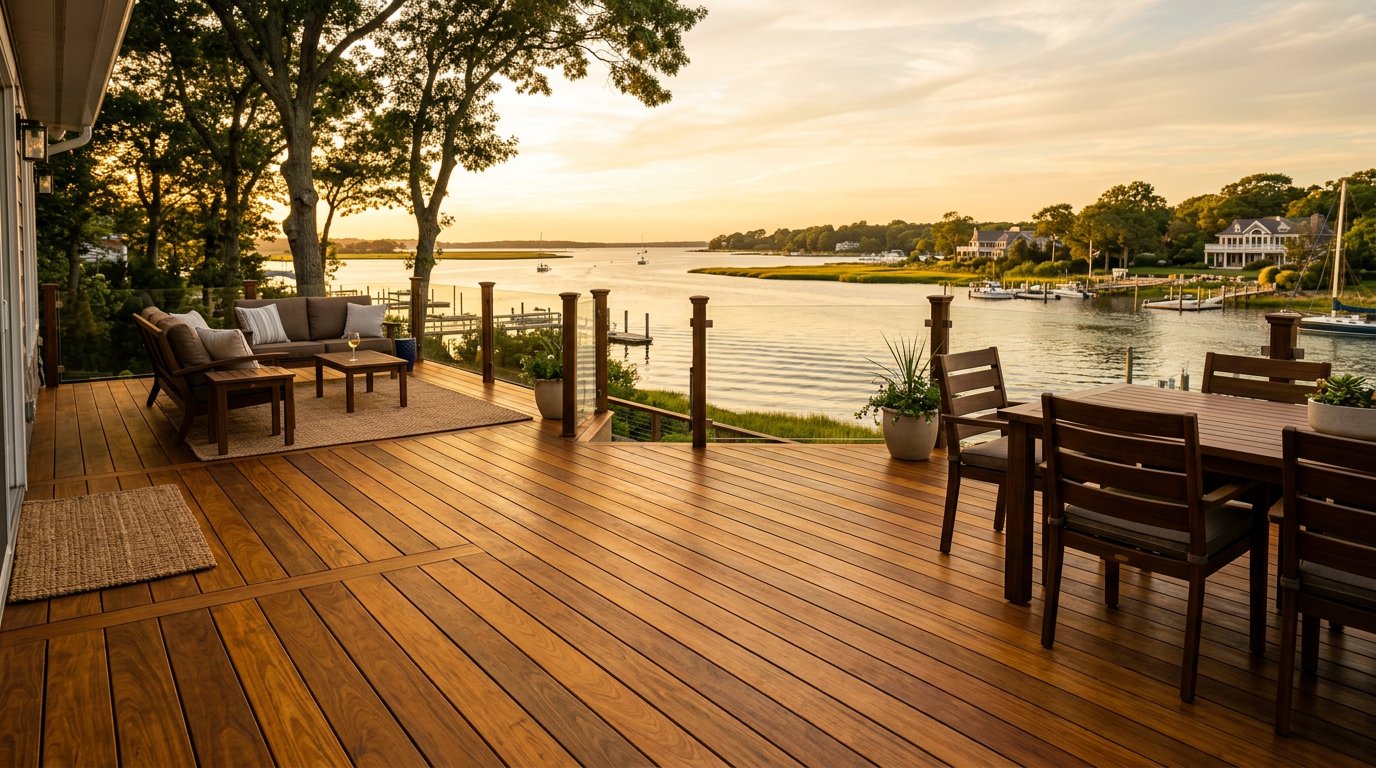
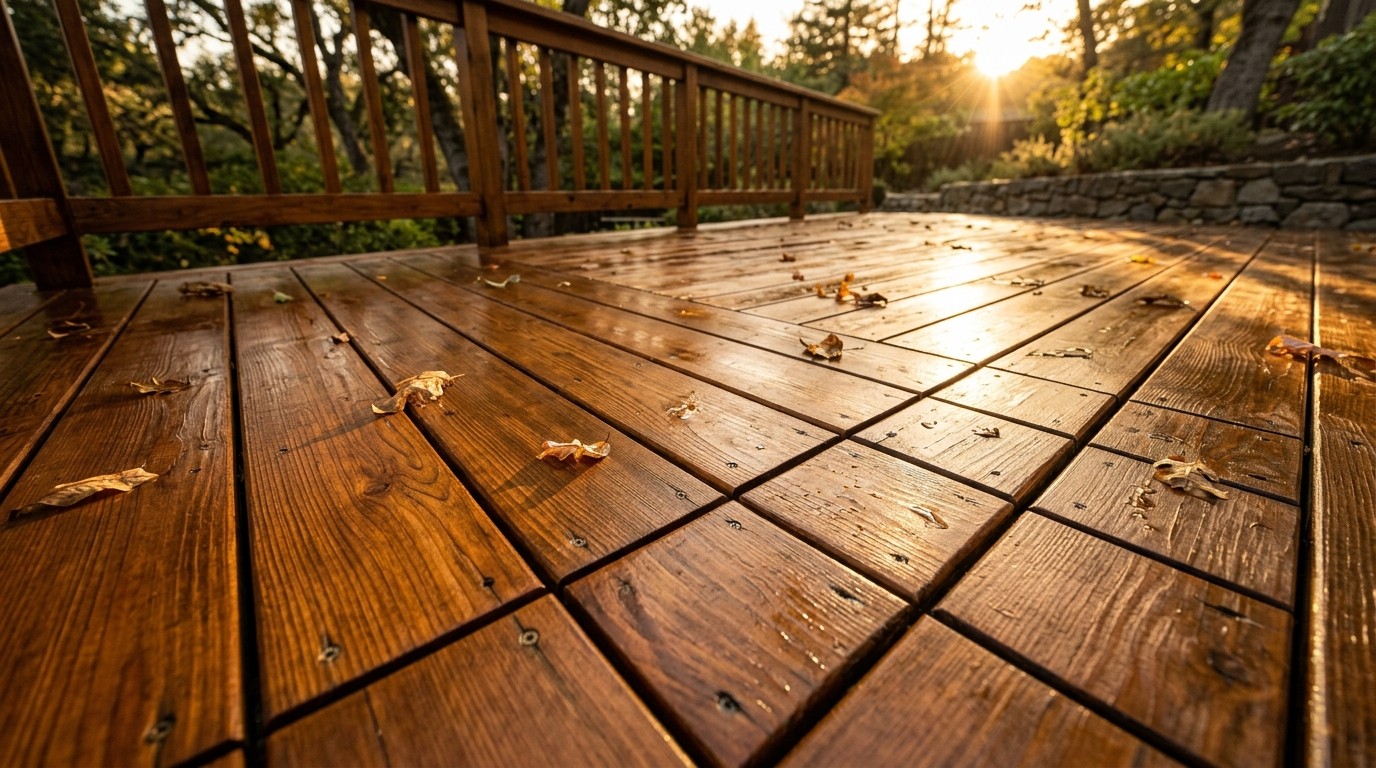
If you’re coordinating other home improvements at the same time, it can be helpful to bundle planning—especially if you’re also handling wood surfaces outdoors. For example, deck staining services NY may fit best either before or after exterior painting depending on access, weather, and cure times.
Get a Weather-Smart Plan and a Clear Schedule for Your Exterior Paint Project
If you want exterior painting timing that’s built around real Long Island conditions (not guesswork), we can help you map out the right window and the right prep steps. To get started, request a free estimate or reach out through our contact us page. You can also call us at (516) 835-5880 to talk through your schedule and the best weather conditions for painting in Nassau or Suffolk County.
Common Questions About Exterior Painting Timing and Weather on Long Island
What temperature is too cold for exterior painting?
Many exterior paints struggle to cure properly when temperatures dip too low, especially overnight. Even if daytime feels mild, cold nights can slow curing and increase condensation risk. Always follow the coating label and plan exterior painting timing around both day and night temperatures for the best durability.
Is it okay to paint outside in high humidity?
High humidity can slow drying and trap moisture under the paint film, which may lead to dull areas or adhesion problems. If humidity is consistently high, it’s usually better to wait for a drier stretch. Stable weather conditions for painting help the coating cure evenly and last longer.
How long should exterior paint dry before rain?
Dry time varies by product, surface, and conditions like wind and humidity. As a general planning approach, avoid painting when rain is expected soon, and build in buffer time so each coat can set. For a painting project near Long Island, NY, it’s wise to plan multiple rain-free days.
Can you schedule exterior painting serving Suffolk County, NY in early spring?
Yes, but it depends on temperature consistency and how damp surfaces stay in shaded areas. Early spring can work well if you hit the right stretch of mild, dry weather, but you may need flexibility for rescheduling. Good exterior painting timing in Suffolk County often means watching overnight lows and dew.
Should I power wash right before painting?
Power washing can be a great prep step, but surfaces must dry fully before priming or painting. Porous materials like wood can hold moisture longer than expected, especially after cooler nights. Planning washing a few days ahead improves weather conditions for painting and helps the finish bond properly.

Leave A Comment