
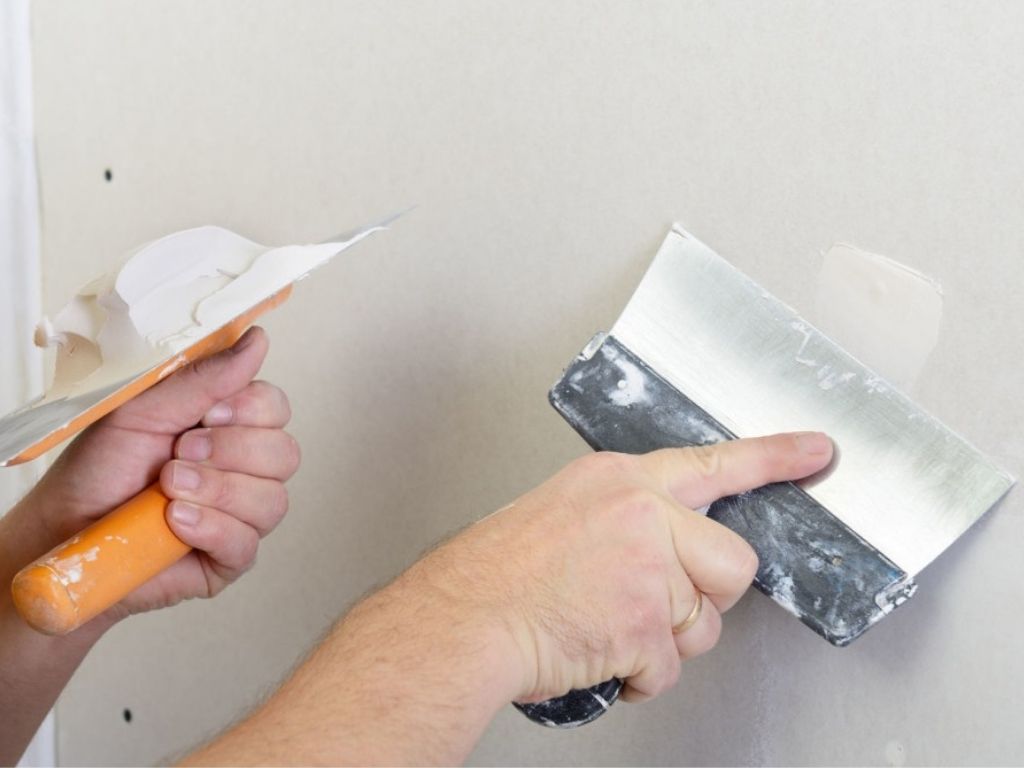
Skim coating and plastering can turn rough, patched, or uneven walls into smooth, paint-ready surfaces. If you want a clean finish that looks crisp in daylight and holds up over time, the prep matters as much as the paint. Here’s how these wall-repair methods work and how to know which one your home needs.
What Is Skim Coating, And Why Do Painters Use It Before Painting?
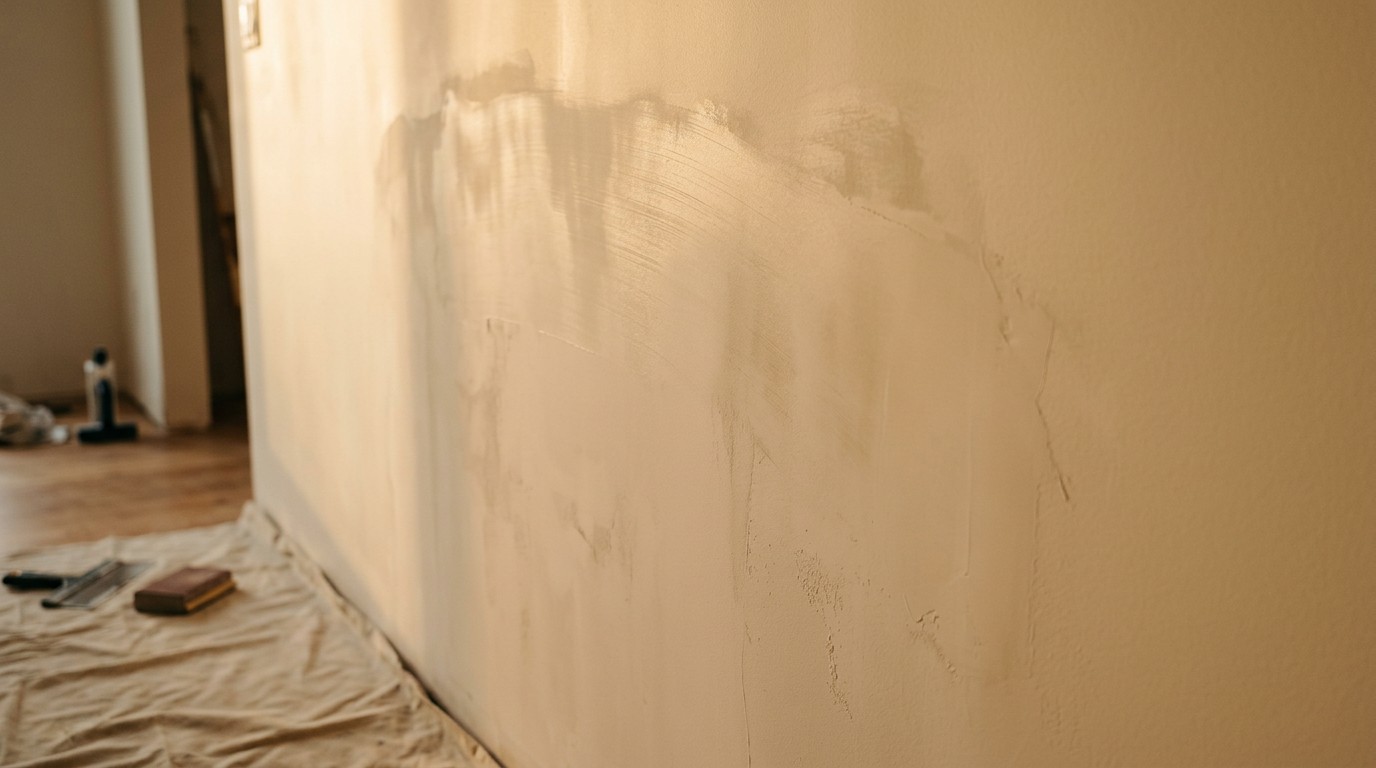
Skim coating is a thin, even layer of joint compound (or a similar finishing material) applied across a wall or ceiling to smooth out texture, minor damage, and visible patchwork. It creates a uniform surface so paint goes on evenly and dries with a consistent sheen.
For many Long Island homes, skim coating is the difference between “freshly painted” and “professionally finished.” It helps prevent common issues like flashing (shiny dull spots), roller stipple showing unevenly, or old repairs telegraphing through new paint.
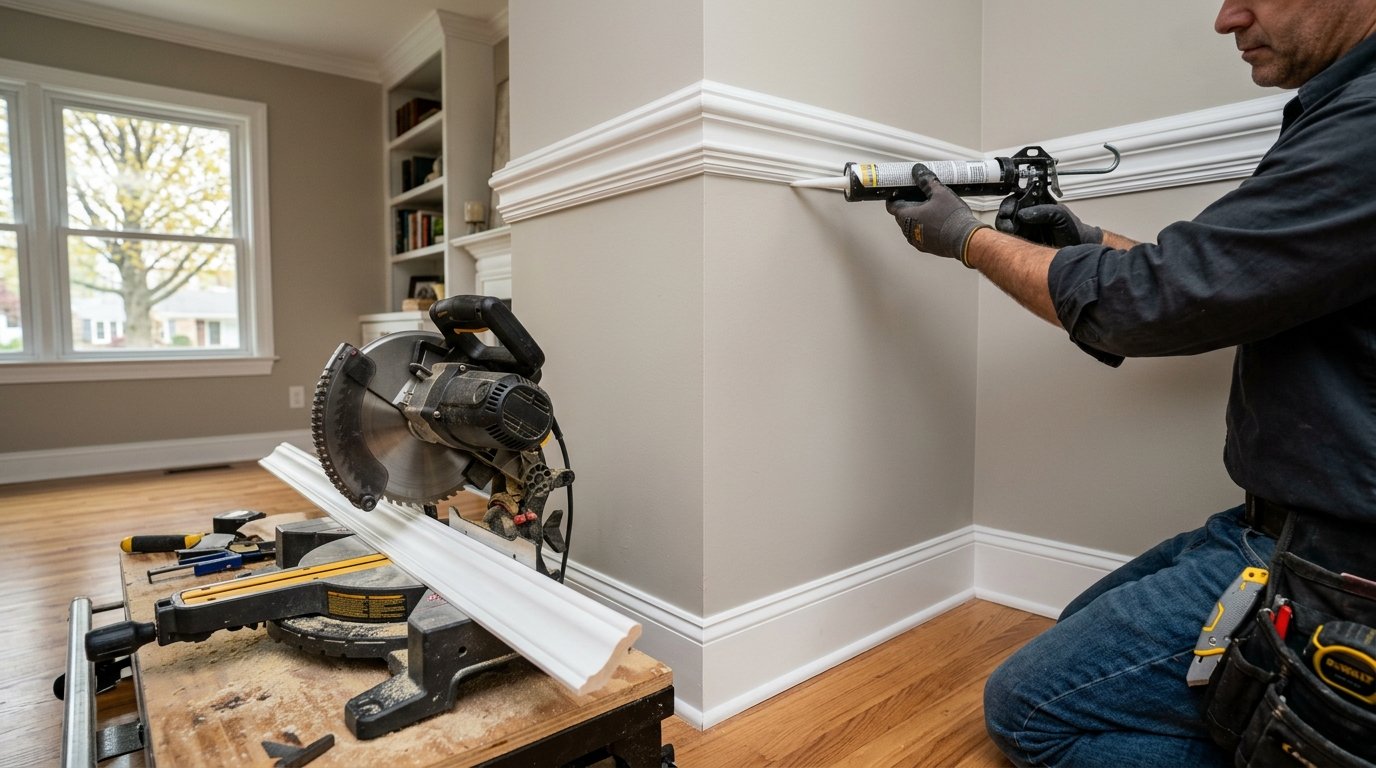
When wall damage is deeper than “cosmetic,” skim coating is often paired with more targeted repairs first. If you’re dealing with holes, cracked seams, or water-damaged drywall, it’s smart to handle the base repair before smoothing the full surface. Our sheetrock and drywall repair services are designed to restore the wall structure so skim coating and paint can perform the way they should.
How Is Plastering Different From Skim Coating?
Plastering typically involves rebuilding or resurfacing areas with plaster materials to repair older plaster walls and ceilings or to restore damaged sections to a stable, solid finish. It’s often thicker and more structural than skim coating, especially in older homes with lath-and-plaster construction.
In practical terms:
- Skim coating is usually a finishing step for smoothness and uniformity.
- Plastering is often a repair or restoration step when the surface is cracked, loose, missing, or failing.
Both can lead to beautiful paint results, but they solve different problems. If you’re unsure what your walls are made of, a quick assessment can prevent the wrong fix (and the wrong paint behavior later).
Do You Need Skim Coating Before Painting If Your Walls Look “Fine”?
If walls are truly flat, clean, and consistent, you may not need skim coating. But many walls that look “fine” at a glance show every flaw once a fresh coat goes on—especially with today’s brighter lighting, larger windows, and higher-sheen finishes.
Skim coating is often worth considering when you have:
- Heavy roller marks or old paint ridges
- Uneven texture from past repairs
- Visible seams, nail pops, or hairline cracking
- Older walls that were previously wallpapered
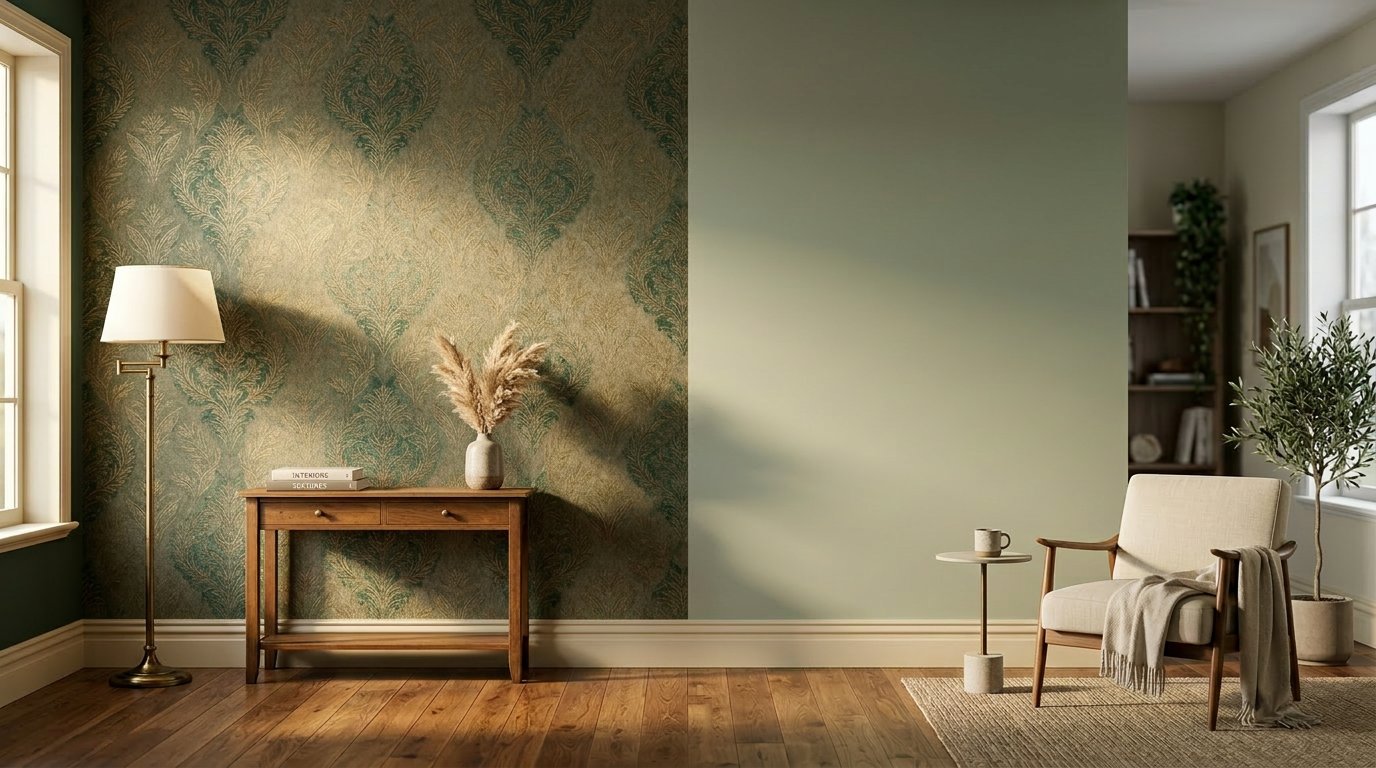
Wallpaper removal, in particular, can reveal torn paper facing, gouges, or adhesive residue that won’t disappear under paint. If that’s your situation, pairing smoothing work with professional wallpaper removal can help you avoid bumps and blotches that show through the finish coat.
What’s The Best Way To Fix Uneven Walls Before Painting?
The best way to fix uneven walls before painting is to repair any damaged drywall or plaster first, then use skim coating to level out the surface, followed by proper sanding, priming, and a quality paint system. This process creates consistent porosity and texture so the final paint color looks even from corner to corner.
“Uneven” can mean a few different things, and the fix depends on the cause:
- Small dents and shallow imperfections: spot patching, sanding, then primer.
- Many patches or widespread waviness: full skim coat to unify the wall plane.
- Cracked or failing plaster: plaster repair, then skim coat as needed.
- Moisture damage: address the source, replace compromised material, then finish.
Once the wall is truly paint-ready, the painting itself becomes more predictable. For homeowners planning a full refresh, our residential and commercial painting services approach prep as the foundation of a long-lasting finish, not an afterthought.
Why Paint Looks Better On Skim-Coated Walls
Paint highlights whatever is underneath it. On a wall that has varied texture, porous patches, or leftover adhesive, the color and sheen can look inconsistent even if the paint is high-end.
Skim coating helps paint look better by:
- Creating a uniform texture so light reflects evenly
- Reducing flashing caused by uneven absorption
- Hiding old patch outlines that show through new coats
- Improving adhesion when paired with the right primer
In other words, skim coating doesn’t just make walls “smoother”—it makes the final paint job look more intentional and more consistent.
What Happens If You Paint Over Bad Patchwork Or Old Wallpaper Glue?
Painting over poor patchwork or leftover wallpaper glue often leads to visible ridges, bubbling, peeling, or shiny spots that appear after the paint dries. Even if it looks acceptable when wet, issues can show up as the paint cures and lighting changes throughout the day.
Common problems we see when walls aren’t properly prepped include:
- Bubbles or blisters: often from trapped moisture or poor adhesion over residue
- Peeling: especially when paint can’t bond to glossy glue or contaminated surfaces
- Texture mapping: where patches show as raised or dull shapes
- Cracking at seams: from movement or inadequate reinforcement
If your project involves removing wallpaper, planning the prep steps matters. A helpful place to start is how to prep your home for wallpaper removal and new paint, especially if you’re trying to avoid surprises once the paper comes down.
Skim Coating And Plastering Checklist: What A “Paint-Ready” Wall Really Means
Before the first coat of paint goes up, a wall should be stable, smooth, clean, and properly sealed. That sounds simple, but skipping steps is where most disappointing paint results begin.
Here’s a practical paint-ready checklist:
- Loose material removed (peeling paint, crumbling plaster, failing tape)
- Cracks repaired and reinforced where needed
- Surface leveled with skim coating when patchwork is widespread
- Sanded to a consistent feel (no ridges, no sharp edges)
- Dust removed before priming
- Correct primer applied for the surface condition
If you’re already seeing dents, popped nails, or seam lines, it’s often more efficient to handle it as a system rather than chasing flaws one by one. For a local perspective, this drywall repair before painting checklist covers the kinds of issues that tend to show up in real homes right before a repaint.
Frequently Asked Questions About Skim Coating And Plastering Before Painting
How long should skim coat dry before painting?
Dry time depends on thickness, ventilation, and humidity. Many skim coats dry within a day, but thicker applications or multiple coats can take longer. The surface should be fully dry, sanded smooth, dust-free, and primed before painting so the finish coat adheres evenly and doesn’t flash.
Do skim-coated walls always need primer?
Yes, in most cases. Skim coating creates a fresh, porous surface that can absorb paint unevenly. A quality primer seals the surface and helps the topcoat look uniform. Skipping primer can lead to blotchiness, uneven sheen, or needing extra paint coats to achieve solid coverage.
Is plastering only for old homes?
Plastering is common in older homes, but it’s not limited to them. Any space with plaster surfaces—or areas that need stronger restoration than a simple patch—may benefit from plaster repair. The goal is a stable, solid base so cracks don’t reappear and paint doesn’t fail prematurely.
Can you paint over textured walls instead of skim coating?
You can paint over texture if it’s consistent and in good condition, but the texture will remain visible and can cast shadows. Skim coating is the better choice if you want smooth, modern walls or if the texture is uneven due to patchwork, old repairs, or areas exposed during wallpaper removal.
If you’re planning to repaint and want the smoothest, most even finish possible, we can help you choose the right prep approach for your walls—whether that’s repairs, skim coating, plastering, or a full paint system. Request a quote through our online estimate page, or talk with our team by calling (516) 835-5880. If you’d rather message us first, you can also reach out via our contact page.


Leave A Comment